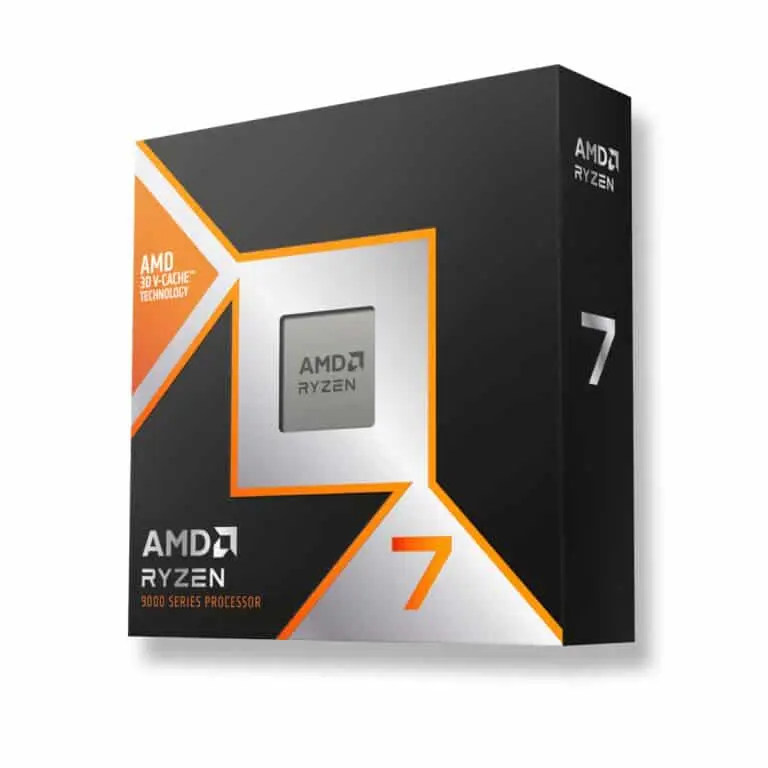
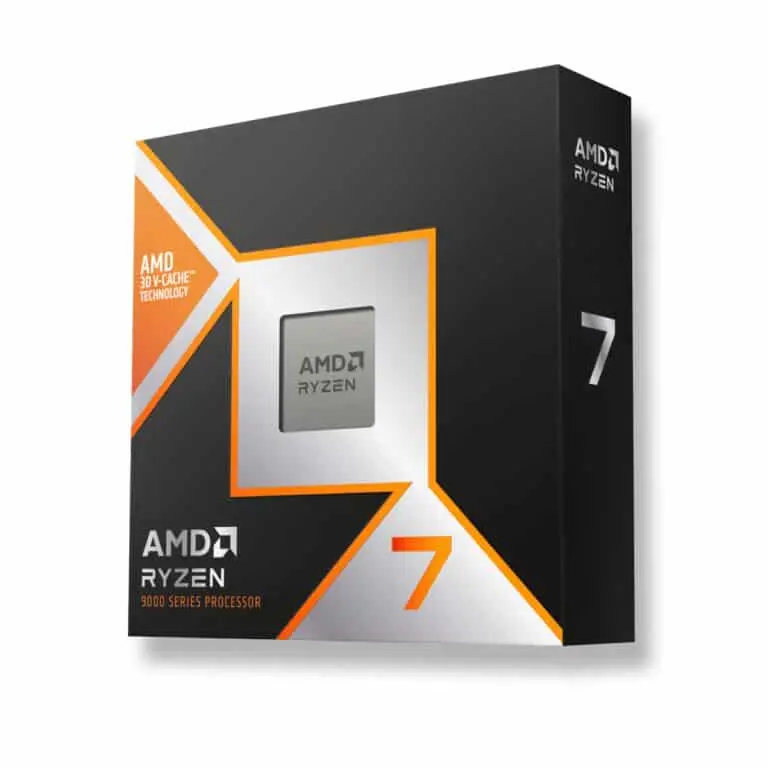
The Ryzen 7 9800X3D is AMD’s 8-core, 16-thread gaming processor with 96 MB of L3 cache, and nearly two years after launch it’s still one of the strongest CPUs you can put in a gaming PC. If you want high frame rates, a mature platform and a chip that’s easy to cool, the 9800X3D belongs at the top of your shortlist.
Below, our build team walks through the specs that matter, how AMD’s second-generation 3D V-Cache works, what changed from the 7800X3D, where the newer X3D chips fit, and how we pair the 9800X3D with a motherboard, memory and cooling.
In This Guide
9800X3D Specs at a Glance
On paper, the Ryzen 7 9800X3D looks modest next to 16-core desktop chips. The magic is in the cache, not the core count. Here are the numbers from AMD’s official Ryzen 7 9800X3D product page:
| Spec | Ryzen 7 9800X3D |
|---|---|
| Architecture / socket | Zen 5 / AM5 |
| Cores / threads | 8 / 16 |
| Base / max boost clock | 4.7 GHz / up to 5.2 GHz |
| L2 / L3 cache | 8 MB / 96 MB |
| Default TDP | 120 W |
| Max operating temp (Tjmax) | 95°C |
| Memory | DDR5, dual channel (DDR5-5600 official with two DIMMs) |
| PCIe | PCIe 5.0, 24 usable lanes |
| Cooler in the box | None (AMD recommends a liquid cooler) |
| Launch | November 7, 2024 at $479 |
Two details stand out. First, the 120 W default TDP is the same as the previous 7800X3D, so the chip doesn’t need a giant power budget. Second, there’s no cooler in the box, so plan one into your budget from the start.
How 2nd-Gen 3D V-Cache Works
AMD’s X3D chips add an extra slab of L3 cache stacked directly onto the processor. Games constantly reuse the same data: object positions, physics state, AI routines and draw calls. When more of that data fits in cache, the cores spend less time waiting on system memory. AMD’s own pitch for the chip is “faster gaming with 2nd gen AMD 3D V-Cache technology for low latency.”
The first generation of 3D V-Cache, used on the 7800X3D, stacked that cache above the cores. With the 9800X3D, AMD moved the cache underneath them. That small-sounding change matters for three reasons:
- Cooler cores. The hot compute cores now sit closer to the heat spreader and your cooler, so the 9800X3D runs cooler than a cache-on-top design.
- Higher clocks. Base clock climbs to 4.7 GHz, up from 4.2 GHz on the 7800X3D.
- Fully unlocked. AMD lists the 9800X3D as unlocked for overclocking, with support for Precision Boost Overdrive, Curve Optimizer voltage offsets, AMD EXPO memory profiles and Ryzen Master.
For most buyers, the practical takeaway is simple. The 9800X3D is easier to cool than its cache size suggests, and enthusiasts get full tuning headroom.
7800X3D vs 9800X3D: What Changed
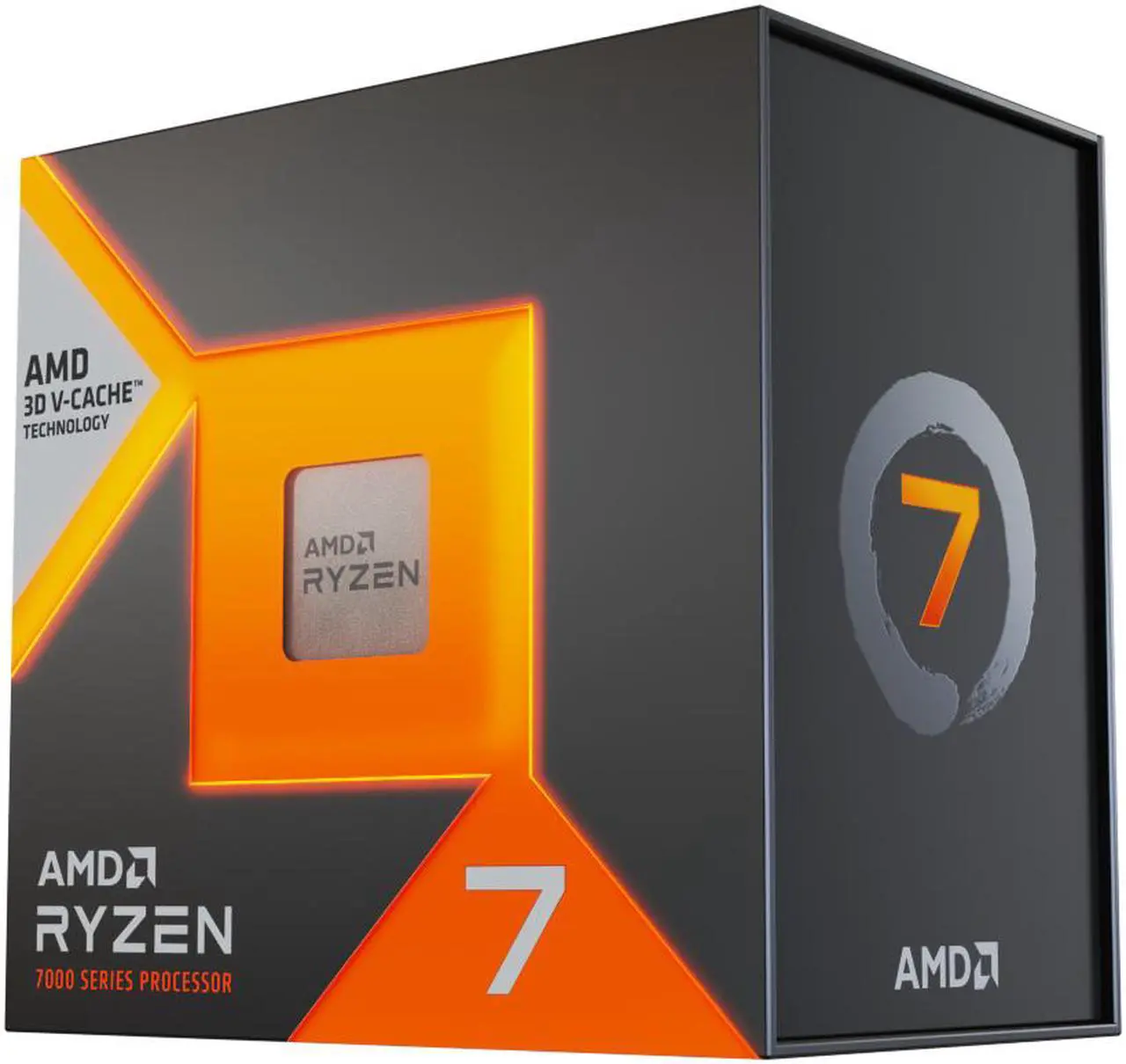
The 7800X3D vs 9800X3D question comes up constantly, because both chips share the same AM5 socket, the same 8 cores and the same 96 MB of L3 cache. The differences are in the architecture, the cache placement and the clocks. AMD’s Ryzen 7 7800X3D page and the 9800X3D page give us this comparison:
| Spec | Ryzen 7 7800X3D | Ryzen 7 9800X3D |
|---|---|---|
| Architecture | Zen 4 | Zen 5 |
| Cores / threads | 8 / 16 | 8 / 16 |
| Base / max boost | 4.2 / 5.0 GHz | 4.7 / 5.2 GHz |
| L3 cache | 96 MB | 96 MB |
| 3D V-Cache | 1st gen, above the cores | 2nd gen, under the cores |
| Default TDP | 120 W | 120 W |
| Tjmax | 89°C | 95°C |
| Official memory (two DIMMs) | DDR5-5200 | DDR5-5600 |
| Launch price | $449 (April 2023) | $479 (November 2024) |
So the 9800X3D brings newer Zen 5 cores, a 500 MHz higher base clock, a 200 MHz higher boost clock and a cache layout that runs cooler. We won’t put a single percentage on the gap, because it changes from game to game and with your graphics card and resolution.
Our honest read on the 7800X3D vs 9800X3D upgrade: if you already own a 7800X3D, you have a very capable gaming chip. A graphics card upgrade will usually change your experience more than a CPU swap. If you’re buying new, though, the 9800X3D is the one to get, since the launch price gap was only $30.
Where It Sits in AMD’s X3D Lineup
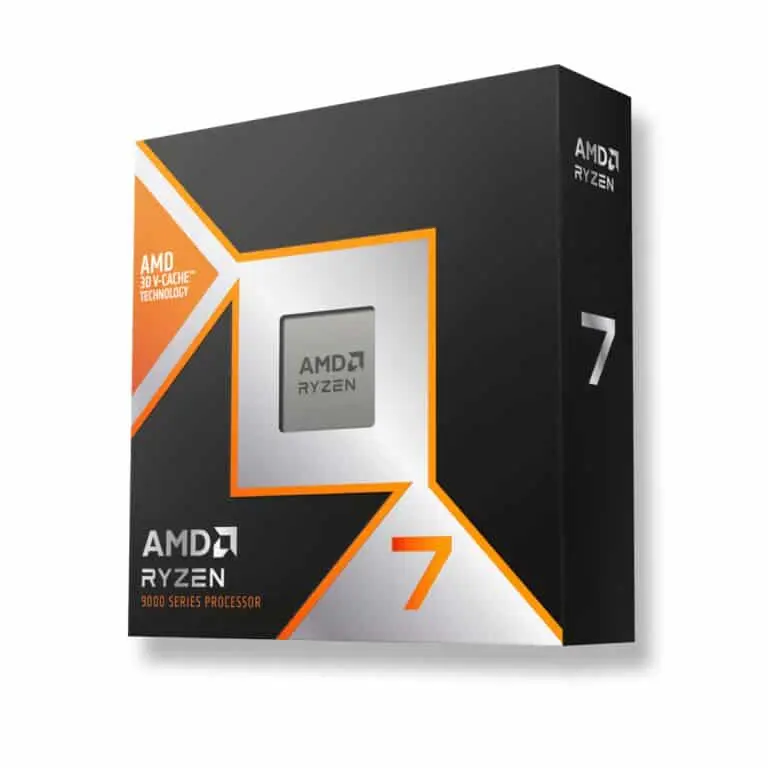
AMD has added four more Ryzen 9000 X3D chips around the 9800X3D. Here’s how the family lines up at launch prices:
| CPU | Cores / threads | Max boost | L3 cache | Default TDP | Launch price |
|---|---|---|---|---|---|
| Ryzen 7 9800X3D | 8 / 16 | 5.2 GHz | 96 MB | 120 W | $479 |
| Ryzen 7 9850X3D | 8 / 16 | 5.6 GHz | 96 MB | 120 W | $499 |
| Ryzen 9 9900X3D | 12 / 24 | 5.5 GHz | 128 MB | 120 W | $599 |
| Ryzen 9 9950X3D | 16 / 32 | 5.7 GHz | 128 MB | 170 W | $699 |
| Ryzen 9 9950X3D2 Dual Edition | 16 / 32 | 5.6 GHz | 192 MB | 200 W | $899 (reported) |
Ryzen 7 9850X3D. Launched January 29, 2026, it’s essentially a higher-binned 9800X3D with a 400 MHz higher boost clock. AMD tested it in about 40 games against the 9800X3D, and independent reviews generally found single-digit-percent gains. Our 9850X3D vs 9800X3D breakdown covers whether that’s worth $20 more at launch pricing.
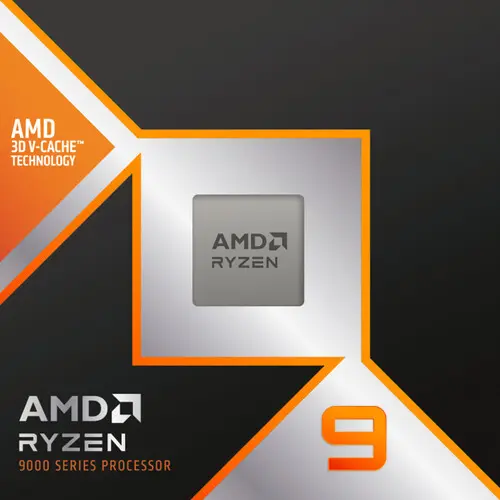
Ryzen 9 9900X3D and 9950X3D. These add a second CCD with more cores, but the 3D V-Cache sits on only one of the two. That makes them great for gamers who also render, encode or compile. If you’re weighing the Ryzen 9 9950X3D, read our 9950X3D vs 9800X3D comparison first.
Ryzen 9 9950X3D2 Dual Edition. Launched April 22, 2026, it’s the first desktop chip with 3D V-Cache on both CCDs, for 192 MB of L3. It’s a halo part aimed at buyers who want every core and every megabyte of cache.
Is the 9800X3D Still the Best Gaming CPU?
For gaming-first builds, it’s still at or near the top of the pile in 2026. Even AMD’s own marketing for the 9850X3D reads “The World’s Best Gaming Processor Just Got Faster,” a clear nod to the 9800X3D it’s built from. The 9850X3D is the faster-binned version, but the gap reported by independent reviewers is small.
A few points to keep in perspective:
- Resolution changes the picture. At 4K the graphics card does most of the heavy lifting, so the difference between strong CPUs shrinks. At 1080p and high-refresh 1440p, the CPU has more influence on frame rate.
- Intel is a different trade-off. Chips such as the Core Ultra 9 285K (24 cores: 8 P-cores and 16 E-cores) offer more cores for mixed workloads. For a pure gaming rig, our default pick is still an X3D chip.
- More cores aren’t free. If you only game, the extra cores on 12- and 16-core X3D chips add cost and heat, and they usually don’t add much to frame rates.
So yes: if your PC is mainly for games, the 9800X3D remains one of the smartest CPUs you can buy. Grab the 9850X3D if the price difference is small where you shop, and step up to a 16-core chip only if your workload needs it.
Pairing It With a Board, RAM and Cooler
A fast CPU is only as good as the platform around it. Here’s what our builders pair with the 9800X3D.
Motherboard
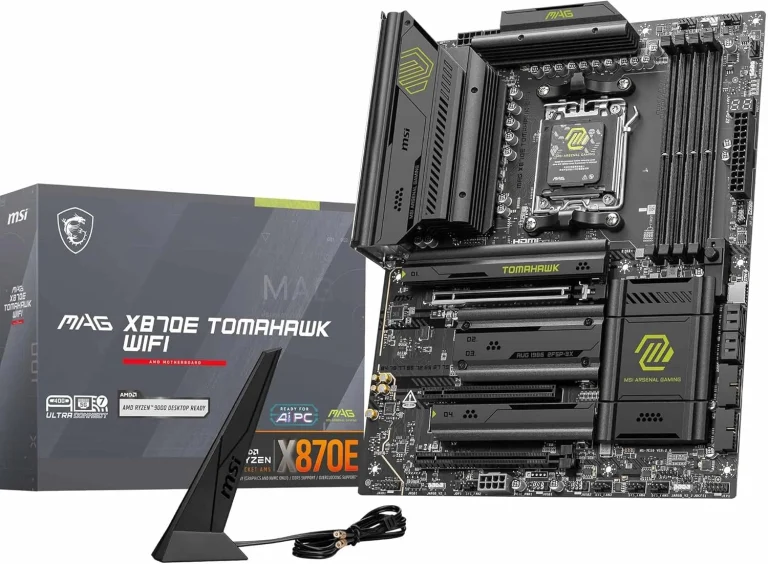
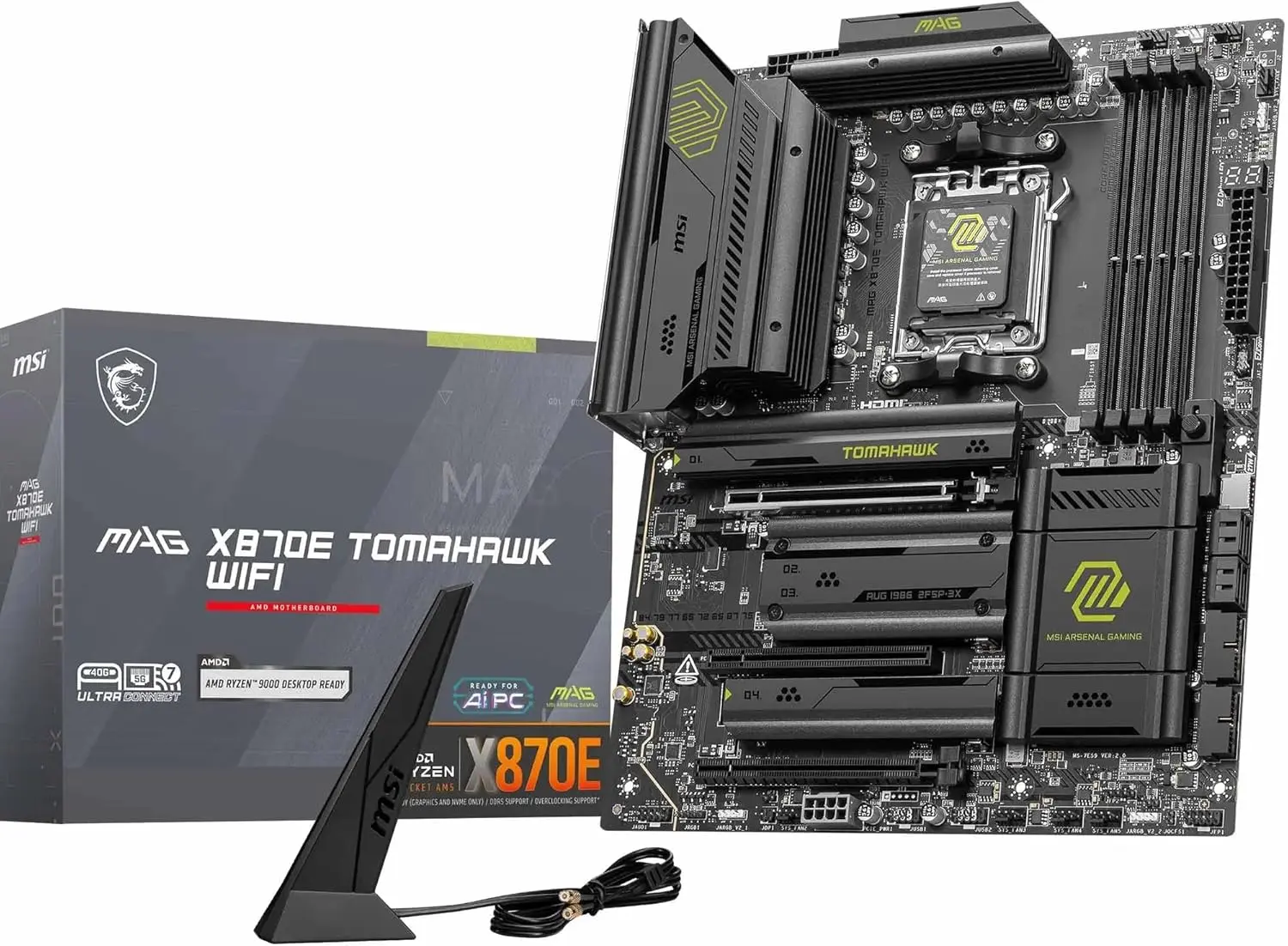
AMD lists support across every current AM5 chipset: A620, B650/B650E, X670/X670E, B840, B850, X870 and X870E. Older 600-series boards may need a BIOS update first. For a new build, B850 is the mainstream choice, while X870 and X870E add mandatory USB4 and PCIe 5.0 for graphics and NVMe storage. Our motherboard guide for this chip compares the boards in detail.
Memory
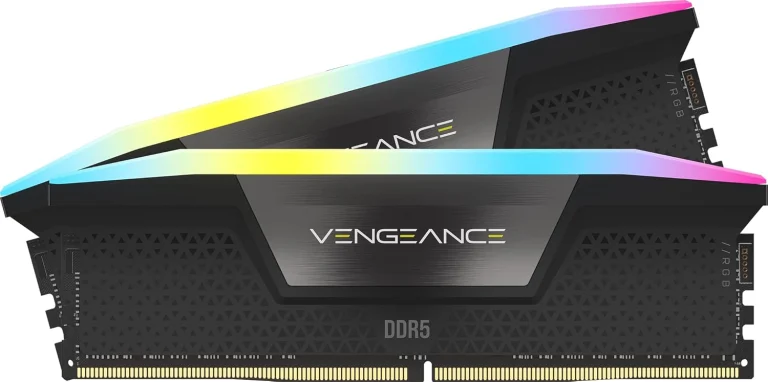
The chip uses dual-channel DDR5. AMD lists DDR5-5600 as official with two DIMMs, and DDR5-6000 EXPO kits are the common sweet spot for Ryzen 9000 builds. In 2026, 32 GB is the standard for a new gaming PC. Memory prices have climbed sharply because of AI data-center demand, so it pays to compare 32GB DDR5 RAM kits before you commit.
Cooling and power
There’s no cooler in the box, and AMD says a liquid cooler is recommended for optimal performance. We recommend a quality 240mm or 360mm AIO liquid cooler, which follows AMD’s guidance and leaves room for boost and PBO tuning. Size your power supply for the graphics card: NVIDIA lists 850 W required system power for the RTX 5080 and 1,000 W for the RTX 5090.
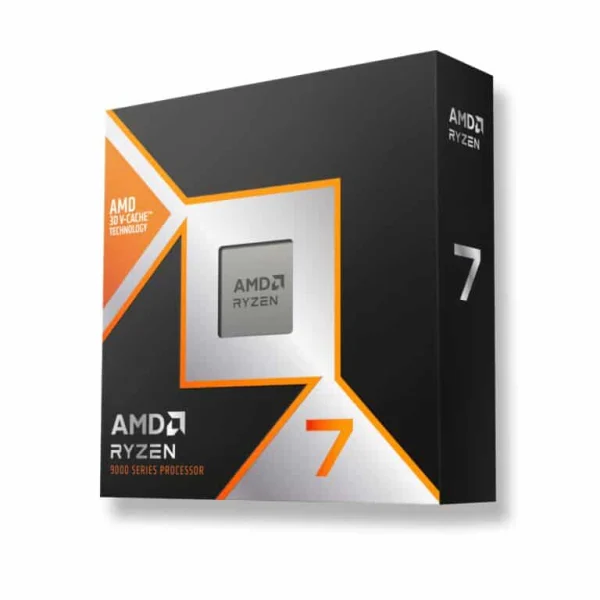
AMD Ryzen 7 9800X3D
The AMD Ryzen 7 9800X3D is a desktop processor with 8 cores and boost speeds up…
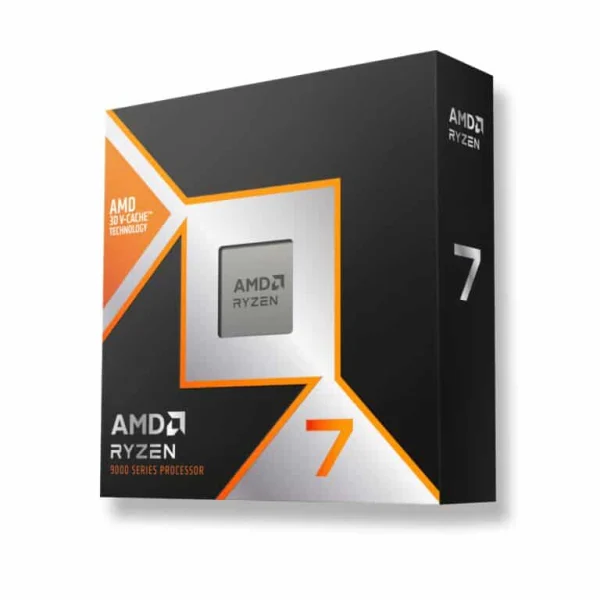
AMD Ryzen 7 9850X3D
The AMD Ryzen 7 9850X3D is a desktop processor and boost speeds up to 4.7 GHz,…
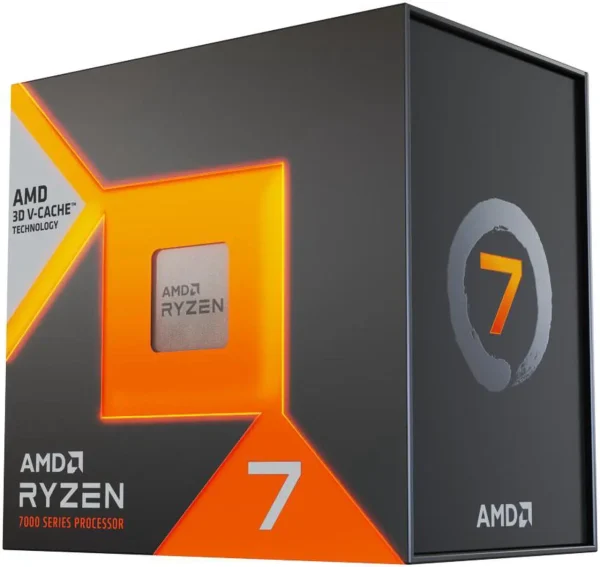
AMD Ryzen 7 7800X3D
The AMD Ryzen 7 7800X3D is a desktop processor with 8 cores and boost speeds up…
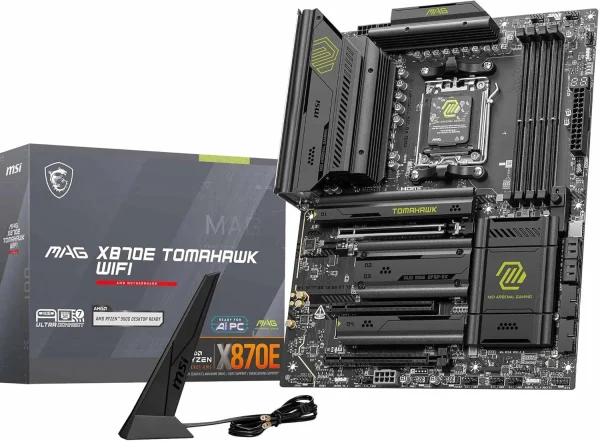
MSI MAG X870E Tomahawk WiFi
The MSI MAG X870E Tomahawk WiFi is an X870E motherboard, giving your build a solid, feature-rich…
9800X3D FAQ
Is it worth upgrading from a 7800X3D?
Usually not, if you only game. The 7800X3D vs 9800X3D gap comes from Zen 5 cores and higher clocks, while the cache size is identical. A graphics card upgrade will typically do more for your frame rates. For a brand-new build, choose the 9800X3D.
Does this CPU need a liquid cooler?
It doesn’t ship with a cooler, and AMD recommends liquid cooling for optimal performance. With a 120 W default TDP and 2nd-gen 3D V-Cache, a strong air cooler can also work, but a 240mm or 360mm AIO gives more headroom for boost clocks and PBO.
What RAM should I pair with it?
A 32 GB dual-channel DDR5 kit is the right size for gaming in 2026. AMD’s official spec is DDR5-5600 with two DIMMs, and DDR5-6000 EXPO kits are a popular sweet spot. Enable EXPO in the BIOS so the kit runs at its rated speed.
Can you overclock an X3D chip like this one?
Yes. AMD lists the Ryzen 7 9800X3D as fully unlocked for overclocking, with support for Precision Boost Overdrive, Curve Optimizer and Ryzen Master. Moving the cache under the cores is what made that possible.
Will it work in a B650 motherboard?
Yes. It’s an AM5 chip, and AMD lists B650 and B650E among its supported chipsets. Update the BIOS before you install it, since older boards may need newer firmware to recognize Ryzen 9000 processors.
The Bottom Line
The Ryzen 7 9800X3D is still the gaming CPU we recommend for most people building on AM5. It’s easy to cool, fully unlocked and pairs well with any current AM5 board. The 9850X3D adds a little clock speed, and the 16-core chips make sense only if you also create or compile.
Browse our gaming CPUs to compare current prices. If you’d rather have it built for you, every Luxvibe PC is hand-built to order, and upgrades and changes are always possible before we build. Questions? Real builders answer through our contact form or at sales@luxvibepcs.com.