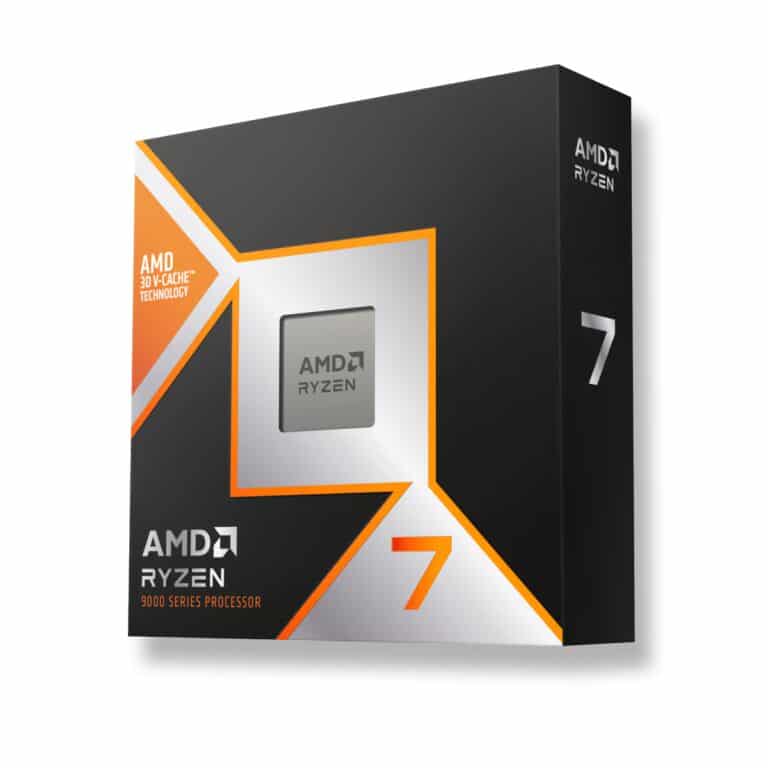
The 9850X3D vs 9800X3D comparison is about as close as two CPUs get: the same 8 cores, the same 96 MB of L3 cache, the same 120 W TDP and the same AM5 socket. The newer chip adds a 400 MHz higher boost clock, and the real question is whether that’s worth paying for.
Our build team breaks down the spec sheet, what the extra clock speed means in games, pricing, platform and cooling, and whether anyone who already owns a 9800X3D should upgrade. Here’s the 9850X3D vs 9800X3D picture in plain terms.
In This Guide
9850X3D vs 9800X3D Specs Compared
AMD’s official product pages for the Ryzen 7 9850X3D and the Ryzen 7 9800X3D show just how much the two chips share:
| Spec | Ryzen 7 9850X3D | Ryzen 7 9800X3D |
|---|---|---|
| Architecture / socket | Zen 5 / AM5 | Zen 5 / AM5 |
| Cores / threads | 8 / 16 | 8 / 16 |
| Base clock | 4.7 GHz | 4.7 GHz |
| Max boost clock | Up to 5.6 GHz | Up to 5.2 GHz |
| L2 / L3 cache | 8 MB / 96 MB | 8 MB / 96 MB |
| Default TDP | 120 W | 120 W |
| Max temp (Tjmax) | 95°C | 95°C |
| Official memory (two DIMMs) | DDR5-5600 | DDR5-5600 |
| Usable PCIe 5.0 lanes | 24 | 24 |
| Unlocked for overclocking | Yes | Yes |
| Cooler in the box | None | None |
| Launch | January 29, 2026 at $499 | November 7, 2024 at $479 |
In the 9850X3D vs 9800X3D spec sheet, only three rows differ: max boost clock, launch date and launch price. Everything you’d plan a build around, from the socket and memory to the power and cooling needs, is identical.
What the Extra 400 MHz Really Means
The 9850X3D is a higher-binned 9800X3D. Chips that come off the same production line vary slightly, and the ones that can hold higher clocks get sorted into the faster product. That’s binning, and it’s why the newer chip can carry a 5.6 GHz boost rating without changing the core count, the cache or the 120 W TDP.
On paper, 5.6 GHz against 5.2 GHz is a max boost clock roughly 8% higher. Keep that number in context, though:
- It’s a ceiling, not a constant. Boost clocks rise and fall with load, temperature and power, so neither chip sits at its maximum all the time.
- The base clock didn’t move. Both chips are rated at 4.7 GHz base.
- Frame rates don’t scale one-to-one with clocks. When your graphics card is the limit, extra CPU clock speed has little to work with.
So the 8% figure is a clock-speed ratio, not a frame-rate figure. To judge the 9850X3D vs 9800X3D matchup in real games, look at testing, which we cover next.
9850X3D vs 9800X3D in Games
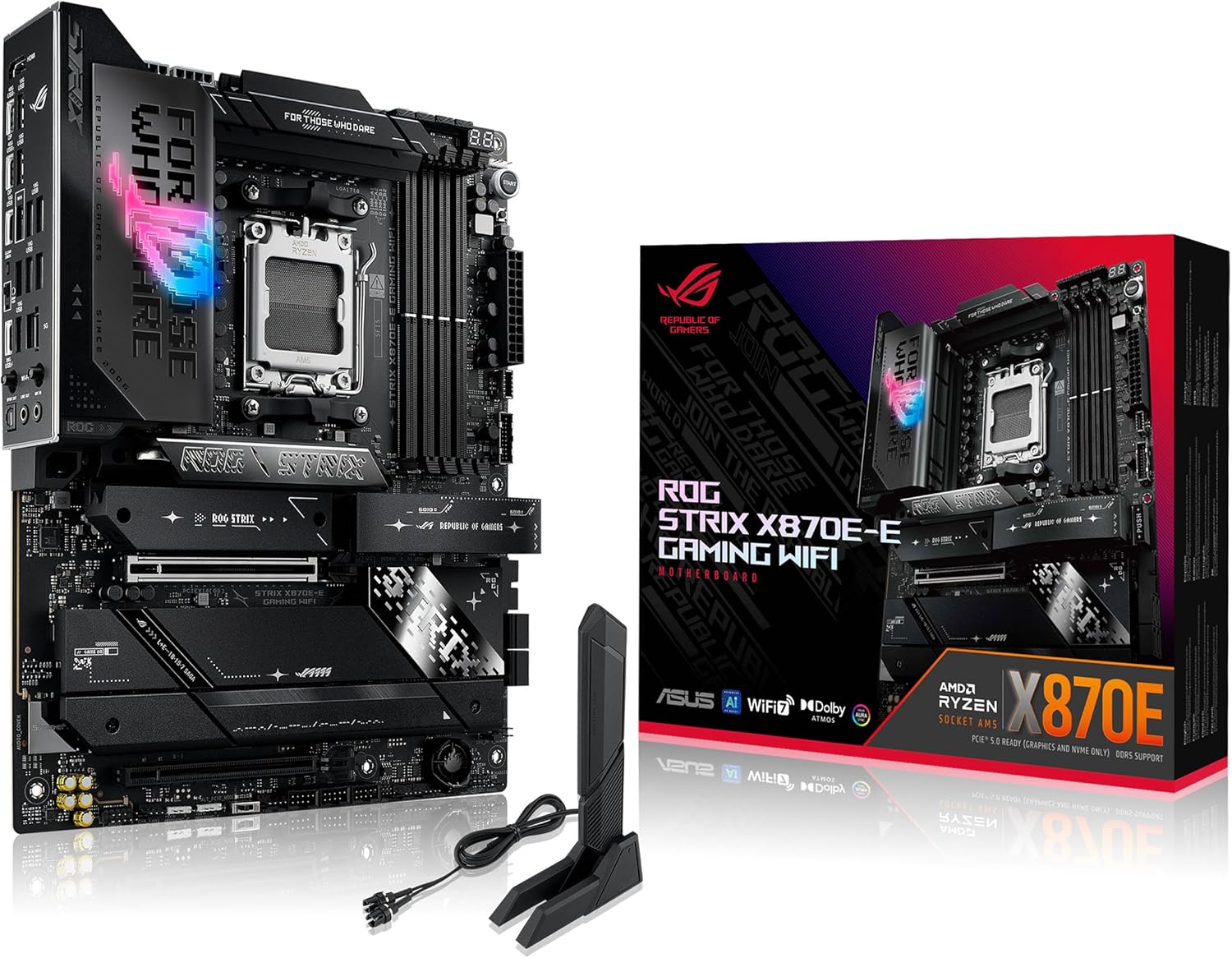
AMD is confident about the newer chip. Its product page headline reads “The World’s Best Gaming Processor Just Got Faster,” and AMD says it tested gaming performance in about 40 titles against the 9800X3D, using an X870E motherboard, 32 GB of DDR5-6000 and an RTX 5090. The page doesn’t list a specific uplift figure.
Independent reviews have generally found single-digit-percent gains for the 9850X3D. That lines up with what you’d expect from a clock bump on an otherwise identical chip.
Where does the 9850X3D vs 9800X3D gap matter most?
- High-refresh competitive gaming. At 1080p or 1440p with a top-end graphics card, the CPU has more influence, so a small clock advantage has more room to show.
- CPU-heavy games. Simulation, strategy and big open-world titles lean harder on the processor.
- 4K with maximum settings. Here the GPU does most of the work, and the difference between these two chips shrinks further.
For most players, the 9800X3D vs 9850X3D difference is something you’d spot on a benchmark chart more readily than during a play session.
Price and Value
The 9850X3D vs 9800X3D launch price gap was small: $499 against $479. That’s $20, a bit over 4% more for the newer chip. Prices shift over a product’s life, so check our product pages for current pricing on both.
Our rule of thumb for the 9850X3D vs 9800X3D price question:
- If the 9850X3D costs about the same as the 9800X3D, or within roughly $20 to $30, take the 9850X3D.
- If the gap is bigger, buy the 9800X3D and put the savings toward memory or a better graphics card.
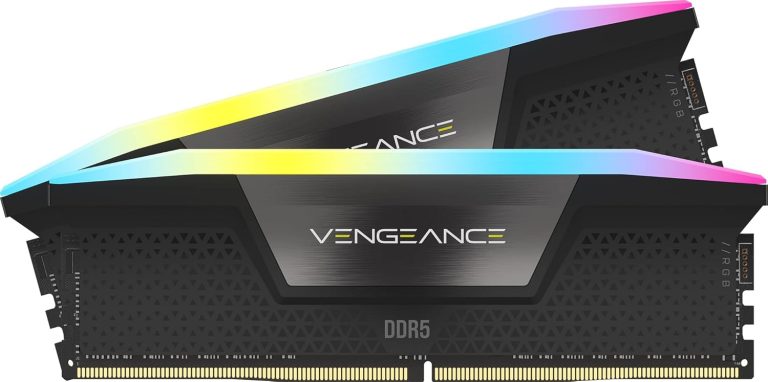
Memory is the bigger budget story in 2026. A global DRAM shortage driven by AI data-center demand has pushed RAM prices far above launch levels, and at the time of writing a 32 GB DDR5-6000 kit runs roughly $500 to $650 at US retail. Our guide to DDR5 RAM prices explains why, and how much memory a gaming PC really needs.
Same Platform, Same Cooling
One of the nicest parts of the 9850X3D vs 9800X3D choice is that the rest of your build doesn’t change.
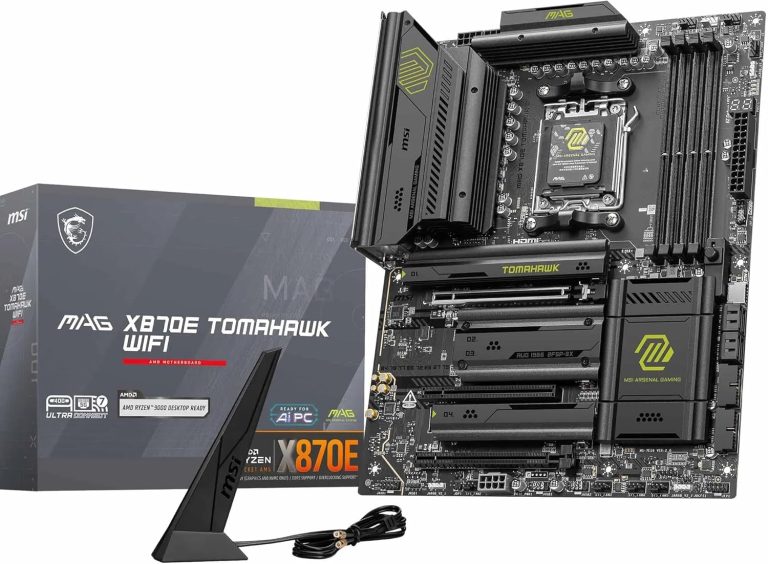
- Motherboard: both are AM5 chips with support for A620, B650/B650E, X670/X670E, B840, B850, X870 and X870E. Older 600-series boards may need a BIOS update. Our guide to choosing a motherboard for these chips walks through the options.
- Memory: both list DDR5-5600 as official with two DIMMs, and DDR5-6000 EXPO kits are the common sweet spot. AMD used 32 GB of DDR5-6000 in its own 9850X3D testing.
- Cooling: both have a 120 W default TDP and a 95°C Tjmax, neither includes a cooler, and AMD recommends liquid cooling for optimal performance. A 240mm or 360mm AIO cooler suits either one.
- Tuning: both are unlocked, with Precision Boost Overdrive, Curve Optimizer and EXPO support. Tuning results vary from chip to chip, so a tuned 9800X3D won’t necessarily behave like a 9850X3D.
Should You Upgrade?
Whether the 9800X3D vs 9850X3D upgrade makes sense depends entirely on what’s in your PC today.
- You own a 9800X3D: don’t upgrade. Same cores, same cache, same platform, and a small clock bump. Your money usually does far more in a graphics card.
- You own a 7800X3D: either chip is a drop-in on the same AM5 board after a BIOS update, with newer Zen 5 cores. Our Ryzen 7 9800X3D guide covers that jump in detail.
- You’re on AM4 or an older Intel platform: you’ll need a new board and DDR5 either way. In that case, buy whichever 8-core X3D chip is the better deal on the day.
AMD Ryzen 7 9850X3D
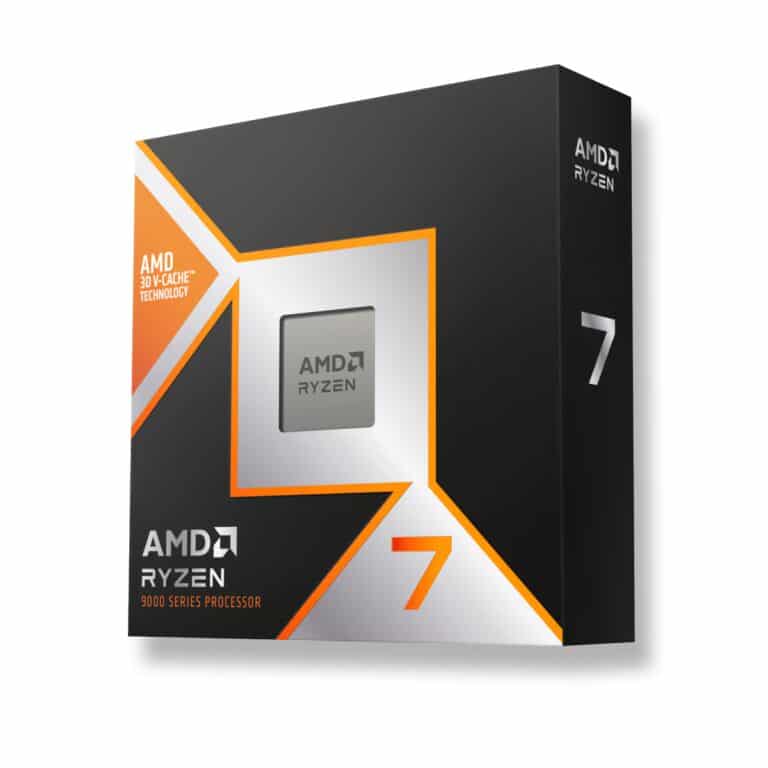
The AMD Ryzen 7 9850X3D is a desktop processor and boost speeds up to 4.7 GHz,…
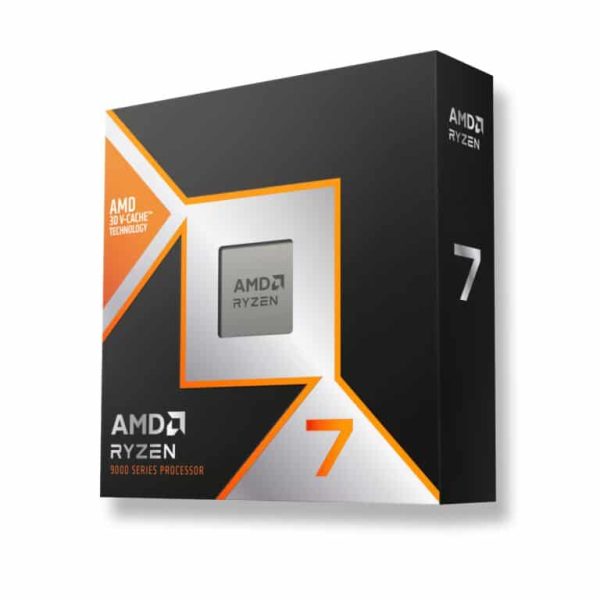
AMD Ryzen 7 9800X3D
The AMD Ryzen 7 9800X3D is a desktop processor with 8 cores and boost speeds up…
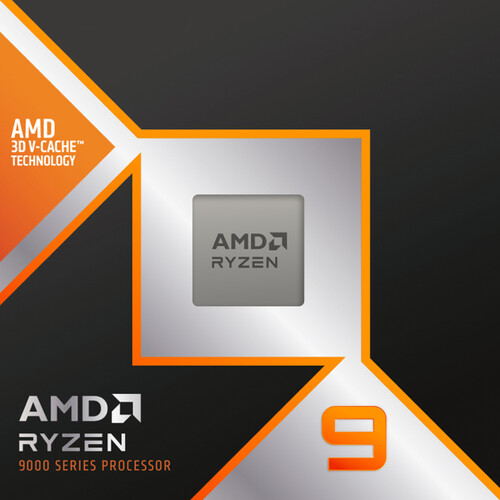
AMD Ryzen 9 9950X3D
The AMD Ryzen 9 9950X3D is a desktop processor with 16 cores and boost speeds up…
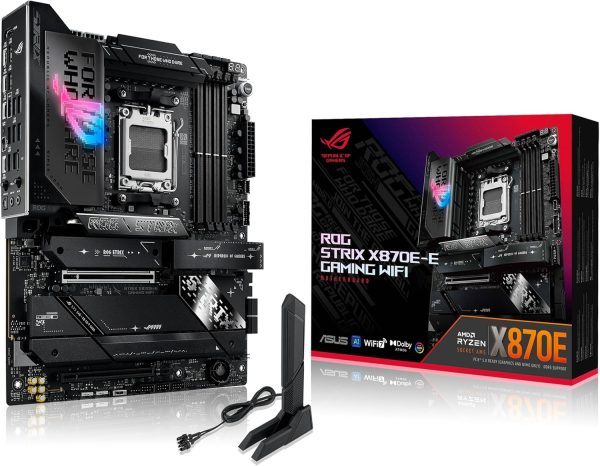
ASUS ROG Strix X870E-E Gaming WiFi
The ASUS ROG Strix X870E-E Gaming WiFi is an X870E ATX motherboard, giving your build a…
Buying Scenarios: Which Chip Fits Your Build?
Specs only tell part of the story. Here’s how we’d settle the 9850X3D vs 9800X3D question for the builds we’re asked about most:
| Your situation | Our pick | Why |
|---|---|---|
| New high-refresh gaming build, prices within about $30 | 9850X3D | Higher boost clock for nearly the same platform cost |
| New gaming build on a tighter budget | 9800X3D | Same cores and cache; savings go to RAM or the GPU |
| 4K gaming with a high-end graphics card | Whichever costs less | The GPU does most of the work at 4K |
| Gaming plus heavy rendering or encoding | Neither; consider a 16-core X3D chip | Multi-threaded work scales with core count |
| Already running a 9800X3D | Keep it | Same platform, cache and TDP |
If you fall into that fourth row, the Ryzen 9 9950X3D pairs a 3D V-Cache CCD for games with a second eight-core CCD for creative work, at a higher 170 W TDP. For everyone else, the 9800X3D vs 9850X3D choice really is just a price check on the day you buy.
9850X3D vs 9800X3D FAQ
Is the 9850X3D faster than the 9800X3D?
Yes, slightly. It has a 5.6 GHz max boost versus 5.2 GHz, with everything else the same. Independent reviews have generally found single-digit-percent gains in games, and AMD’s page doesn’t list a specific uplift figure.
Is the 9800X3D vs 9850X3D upgrade worth it?
Not if you already own a 9800X3D. The cores, cache, TDP and platform are identical, so a graphics card upgrade will do much more for your frame rates.
Do they use the same motherboard?
Yes, so the 9850X3D vs 9800X3D choice doesn’t affect your board. Both are AM5 processors that work on A620 through X870E boards. Update the BIOS first if you’re using an older 600-series board.
Does the 9850X3D run hotter or need a bigger cooler?
Both have a 120 W default TDP and a 95°C Tjmax, and AMD recommends liquid cooling for both. The same 240mm or 360mm AIO works for either chip.
Which one should I buy for a new gaming PC?
Buy the 9850X3D if it costs about the same as the 9800X3D. If the older chip is noticeably cheaper, it remains an excellent gaming CPU, and the savings are better spent on memory or the GPU.
Which Should You Choose?
The 9850X3D vs 9800X3D decision is about price, not capability. Both are 8-core, 96 MB X3D gaming chips on the same platform with the same cooling needs. The 9850X3D is the slightly faster bin, so take it when the price gap is small. When it isn’t, the 9800X3D is still one of the best gaming CPUs you can buy.
Compare current prices in our CPU collection. Prefer a finished system? Every Luxvibe PC is hand-built to order, and upgrades and changes are always possible before we build. Real builders answer questions through our contact page or at sales@luxvibepcs.com.