The 5080 vs 5070 Ti decision is the closest call in NVIDIA’s RTX 50 lineup. Both cards carry 16 GB of GDDR7 on a 256-bit bus; the RTX 5080 adds 20% more CUDA cores and a higher boost clock, and it launched at $999 against the RTX 5070 Ti’s $749. The question is whether that extra GPU is worth $250 to you.
Our build team compares the two on specs, gaming, memory, creator features, price and power, then gives a clear recommendation for each kind of buyer.
In This Guide
5080 vs 5070 Ti Specs Side by Side
Both cards use NVIDIA’s Blackwell architecture with 5th-gen Tensor cores, 4th-gen RT cores and PCIe 5.0. The numbers below come from NVIDIA’s GeForce compare page and the official RTX 5080 and RTX 5070 family pages.
| Spec | RTX 5080 | RTX 5070 Ti | Difference |
|---|---|---|---|
| CUDA cores | 10,752 | 8,960 | 5080 has 20% more |
| Boost clock | 2.62 GHz | 2.45 GHz | 5080 about 7% higher |
| Memory | 16 GB GDDR7, 256-bit | 16 GB GDDR7, 256-bit | Identical |
| Memory bandwidth | 960 GB/s | 896 GB/s | 5080 about 7% more |
| AI TOPS | 1,801 | 1,406 | 5080 about 28% more |
| NVENC / NVDEC | 2x 9th gen / 2x 6th gen | 2x 9th gen / 1x 6th gen | 5080 has a second decoder |
| Total graphics power | 360 W | 300 W | 5080 uses 60 W more |
| Required system power | 850 W | 750 W | 100 W more for the 5080 |
| Launch MSRP | $999 (Jan 30, 2025) | $749 (Feb 2025) | 5080 costs 33% more |
The short version: in the RTX 5070 Ti vs 5080 matchup, you’re paying for more GPU, not more memory. The capacity, bus width, encoders and feature set are the same; the cores, clocks and one extra video decoder are what separate them.
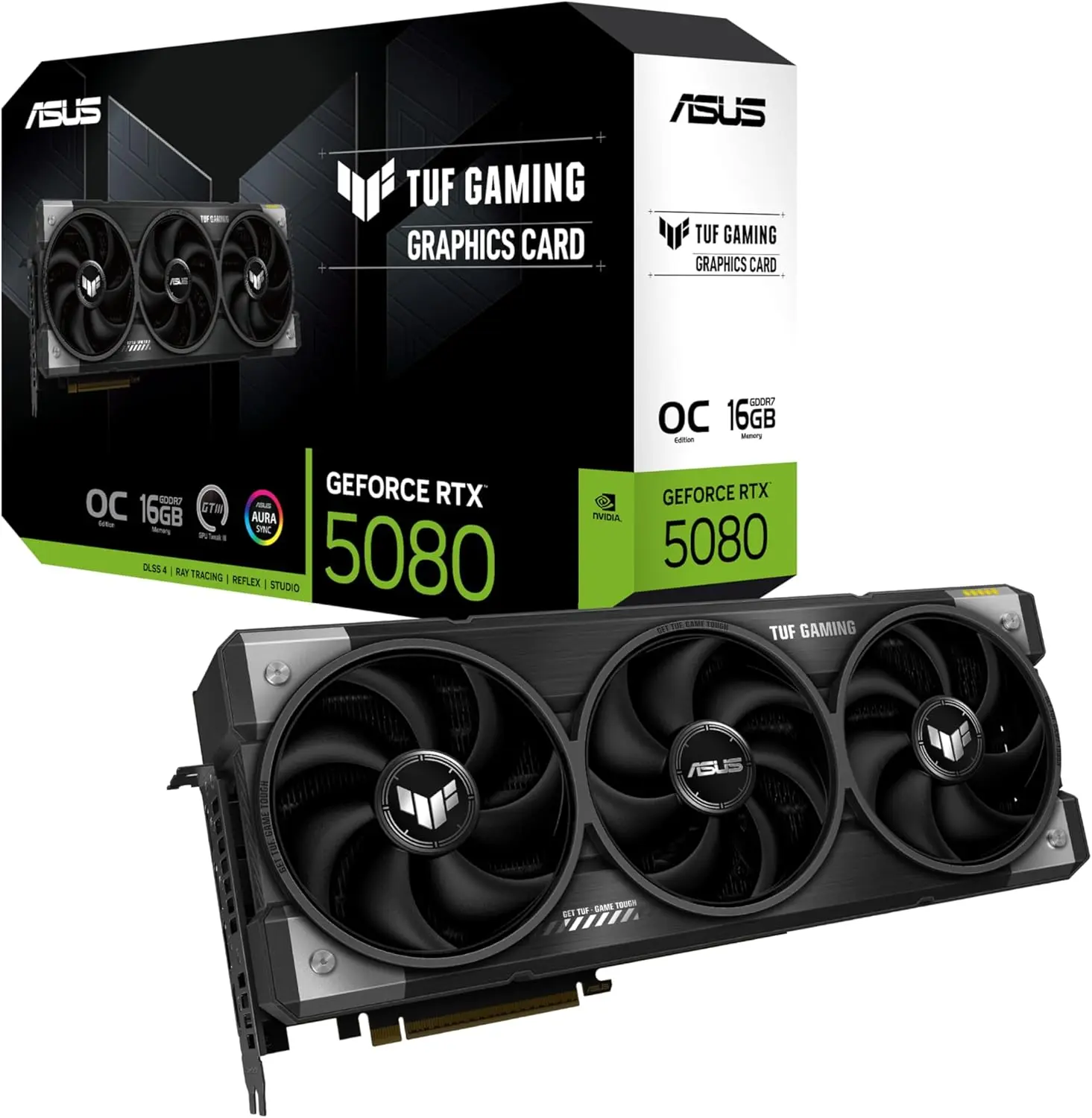
Gaming: Where the 5080 vs 5070 Ti Gap Shows
We don’t publish invented frame rates, so here’s what the hardware tells you. Multiply the extra cores by the higher boost clock and the RTX 5080 has roughly 28% more raw shader throughput on paper, which lines up with its 28% lead in AI TOPS.
Real games rarely scale that cleanly. Memory bandwidth is only about 7% higher, and at lower resolutions the CPU often sets the limit before either GPU does. So expect the real-world 5080 vs 5070 Ti gap to be smaller than the paper gap, and to show up most in specific situations:
- 4K at high settings: the clearest win for the bigger card, since that’s where GPU horsepower matters most. NVIDIA runs its RTX 5080 charts at 4K max settings with DLSS.
- Path tracing: the heaviest ray tracing modes scale with GPU power, so the extra cores help.
- High-refresh 1440p: NVIDIA runs its RTX 5070 family charts at 1440p max settings with DLSS, and the cheaper card is right at home here. The gap narrows as the CPU takes over.
- Frame generation: both cards get Multi Frame Generation, but a higher base frame rate on the 5080 means better responsiveness under it.
Memory: Same 16 GB, Slightly Different Bandwidth
This is the part of the 5080 vs 5070 Ti comparison that surprises people. Both cards have exactly 16 GB of GDDR7 on a 256-bit bus. The 5080’s memory runs a little faster, 960 GB/s vs 896 GB/s, but the capacity is identical.
That matters for longevity. If a future game needs more than 16 GB at your settings, it will hit both cards at the same time, so paying more doesn’t buy you more memory headroom. If you need more VRAM for local AI models or 8K editing, the real step up is the 32 GB flagship in our graphics card range, not the 5080.
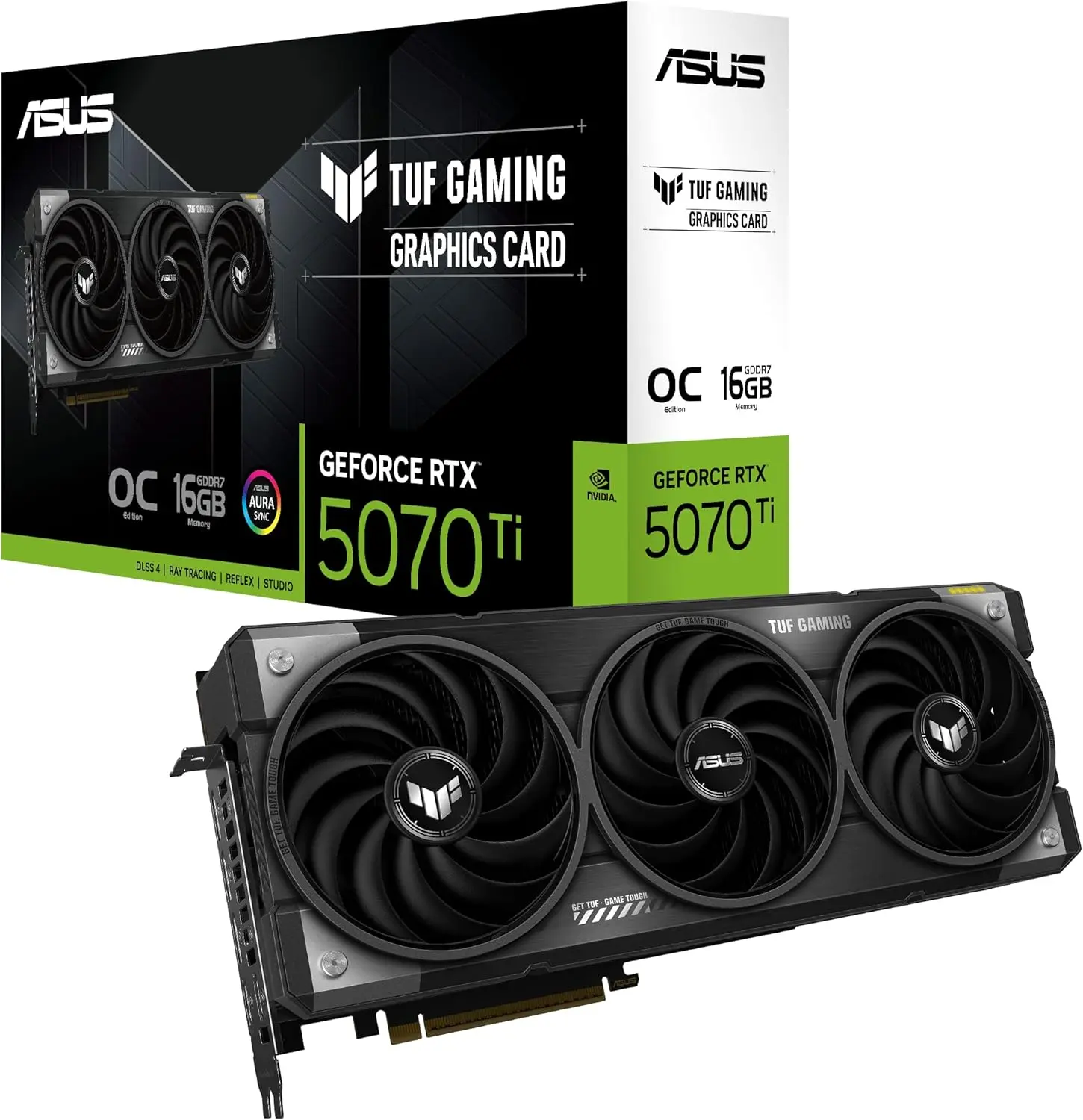
DLSS, Streaming and Creator Work
On features, the 5080 vs 5070 Ti question is almost a tie. Both get NVIDIA’s full RTX 50 software stack: Multi Frame Generation from DLSS 4, Dynamic Multi Frame Generation from DLSS 4.5, and DLSS 5 neural rendering, which launched on RTX 50 cards only in September 2026.
- Streaming: both have two 9th-gen NVENC encoders, so they’re equally capable for game streaming and fast exports in OBS, DaVinci Resolve or Premiere Pro.
- Video editing: the 5080’s second NVDEC decoder helps when you scrub multicam timelines or decode several high-resolution streams at once.
- AI: the 5080’s 28% more AI TOPS speeds up AI tools, but both are capped by the same 16 GB of memory.
For most streamers and casual editors, the encoder hardware is what counts, and in the RTX 5070 Ti vs 5080 matchup it’s identical. Heavy editors who live in multicam timelines get the most from the 5080’s extra decoder.
5080 vs 5070 Ti Price and Value in 2026
At launch MSRP, the 5080 cost 33% more for 20% more CUDA cores and about 28% more paper throughput. On paper, the RTX 5070 Ti vs 5080 value math favors the cheaper card, with more GPU per dollar. That’s normal at the top of any product stack, where the last slice of performance costs extra.
In 2026 the picture shifts. A global DRAM and GDDR7 shortage, driven by AI data-center demand, has pushed graphics card street prices well above launch MSRP, and each model moves on its own. That means the real price gap in the 5080 vs 5070 Ti decision may be wider or narrower than $250. If the gap shrinks below that 33%, the 5080’s case gets stronger; if it grows, the 5070 Ti looks even better. Compare live prices on each product page before you decide.
Waiting for a 5080 Super? NVIDIA hasn’t announced one. Reports in 2026 say the RTX 50 Super refresh was delayed or put on hold because of the GDDR7 shortage, with no date, so we recommend buying from the cards that exist today.
Power, Heat and PSU Needs
Power is the most practical 5080 vs 5070 Ti difference for anyone upgrading an existing PC. The 5080 draws 360 W against 300 W for the 5070 Ti, and NVIDIA’s required system power is 850 W vs 750 W. The bigger card takes a 16-pin cable rated 450 W or more (or three 8-pin cables through the adapter); the smaller one needs a 16-pin cable rated 300 W or more (or two 8-pin cables).
- Upgrading an existing PC: if you already have a quality 750 W unit, the 5070 Ti drops in without a PSU upgrade.
- Heat and noise: 60 W more heat is easy to manage in a mid-tower with good airflow, but it adds up in compact cases.
- Small builds: both have SFF-ready options in our range, such as the ASUS Prime SFF Ready RTX 5080 and the GIGABYTE RTX 5070 Ti WINDFORCE OC SFF 16G.
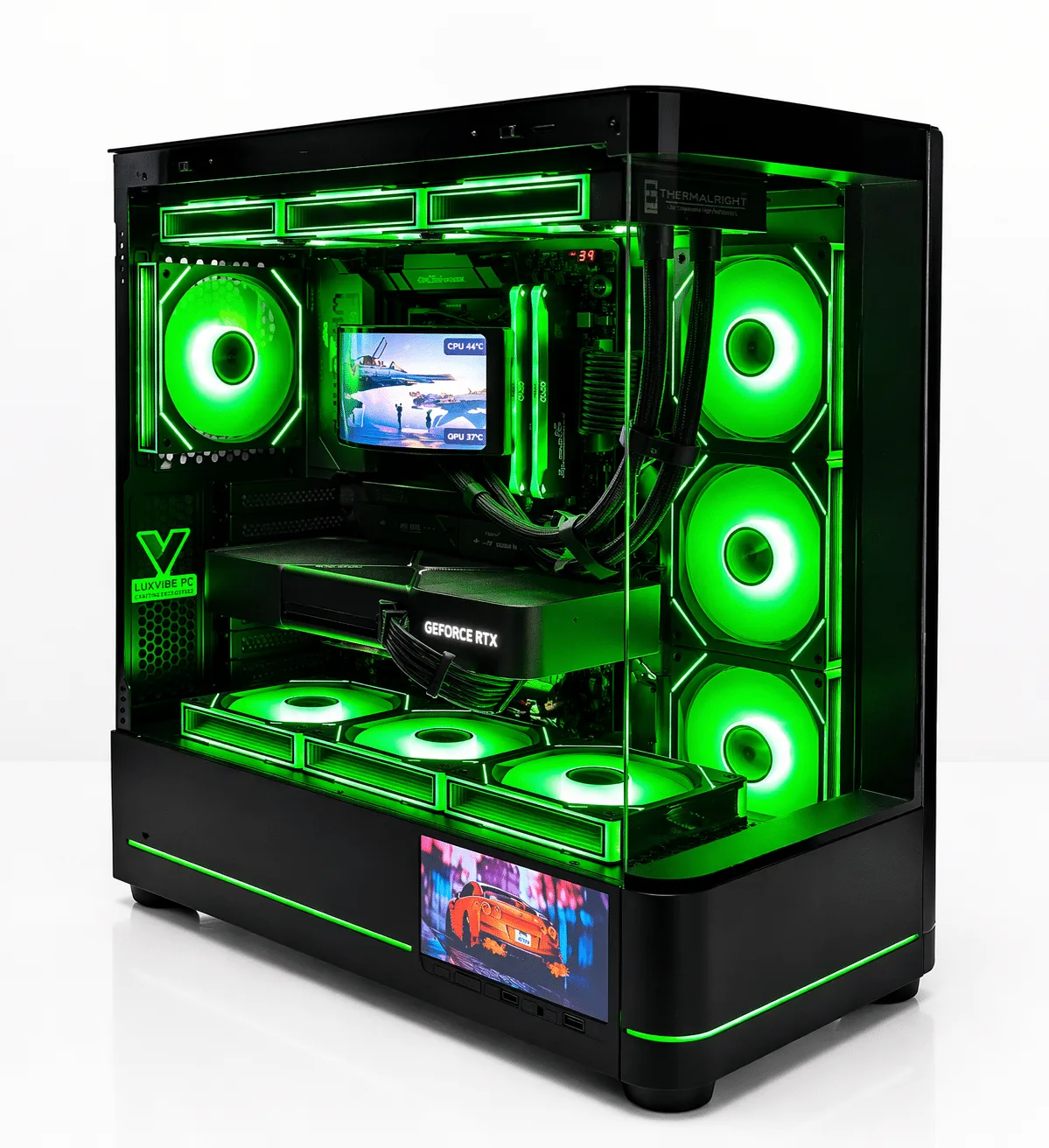
Who Should Pick Which Card
Here’s how the 5080 vs 5070 Ti choice breaks down by buyer.
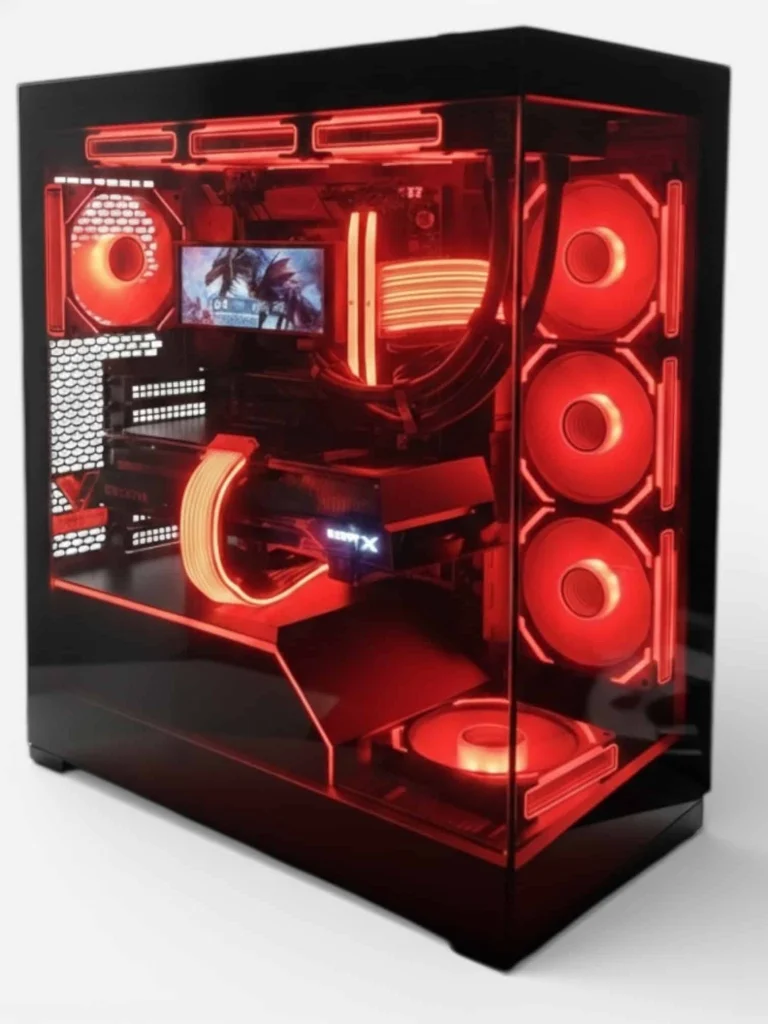
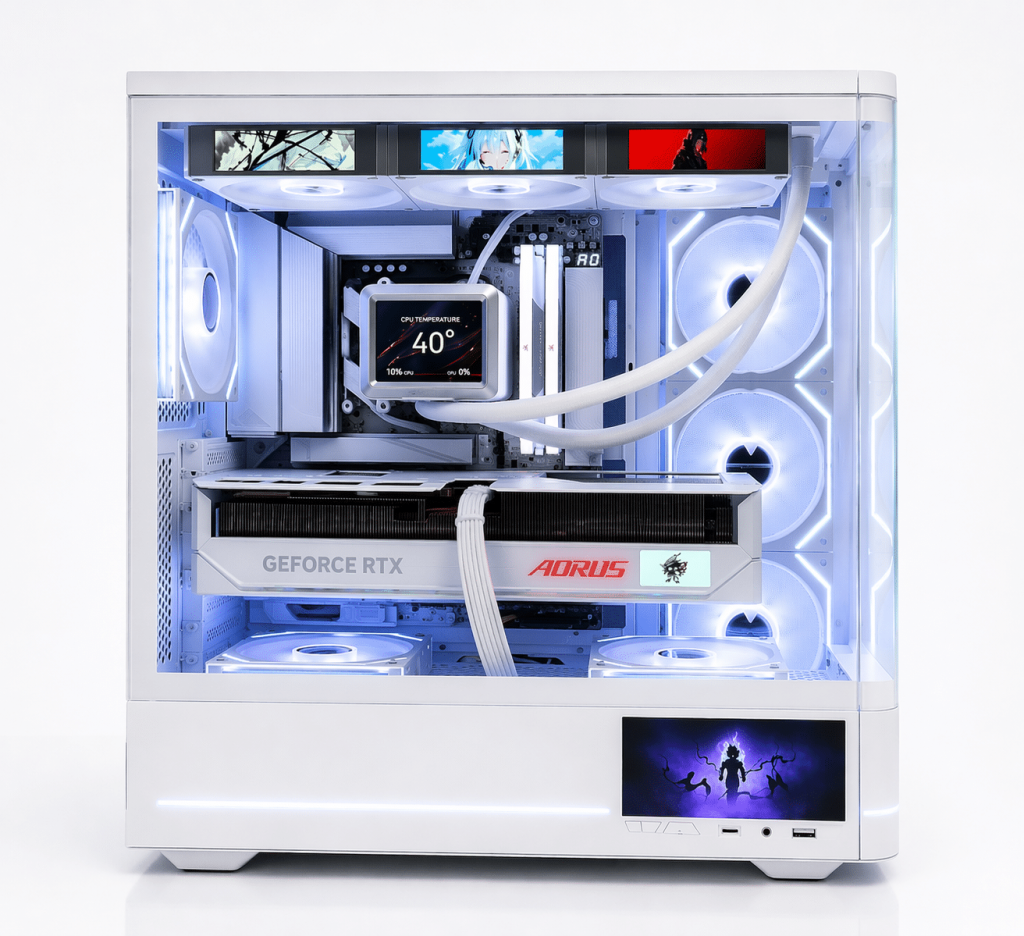
Choose the RTX 5080 if you play at 4K on a high-refresh monitor, want path tracing on, edit multicam video, or simply want the most GPU power you can get on a 16 GB card. A complete RTX 5080 gaming PC gets you there in one box. Our full RTX 5080 guide goes deeper.
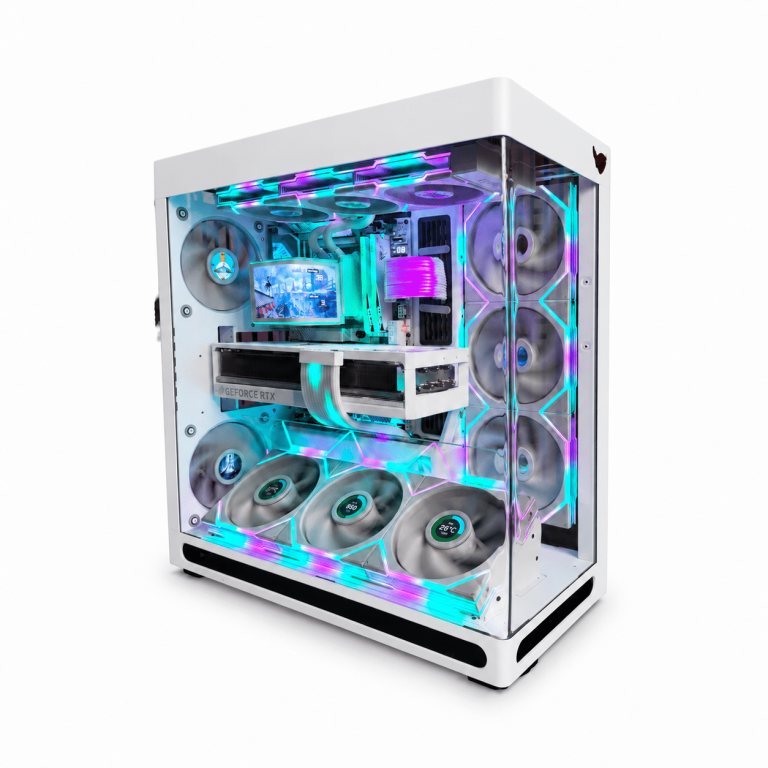
Choose the RTX 5070 Ti if you play on a high-refresh 1440p monitor, game at 4K with DLSS, care most about value per dollar, or want to keep an existing 750 W power supply. A ready-made 1440p gaming PC is a natural fit, and our RTX 5070 Ti guide covers the card in detail.
On a tighter budget, AMD’s RX 9070 XT launched at $599 and AMD positions it against the cheaper NVIDIA card; our 9070 XT vs 5070 Ti comparison covers that choice.
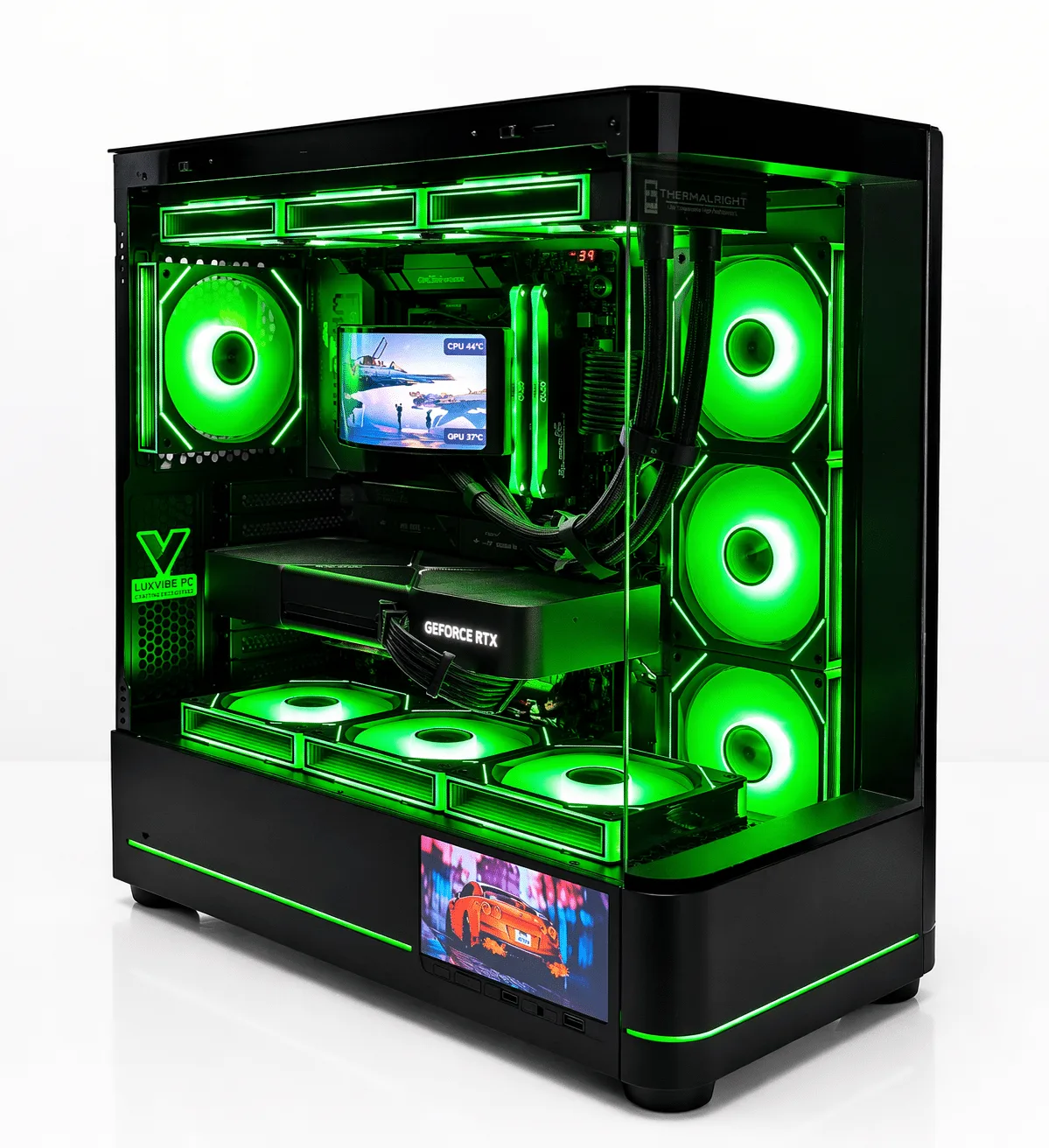
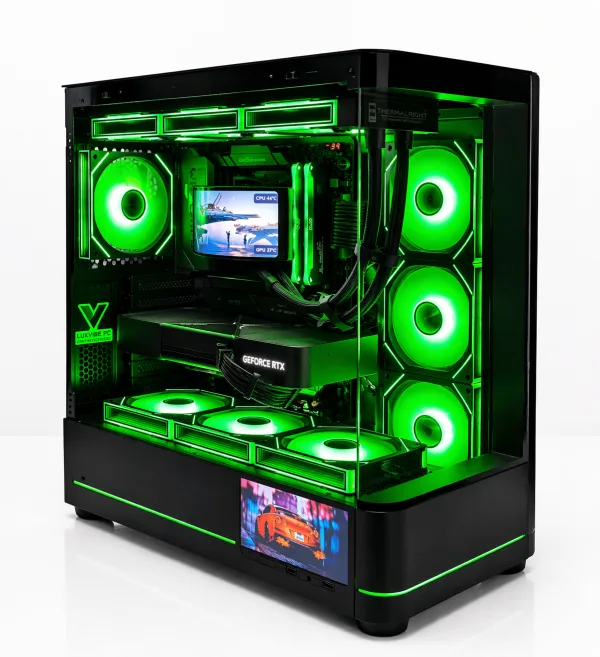
LUX Optic 5080
- GPURTX 5080
- CPURyzen 7 9800X3D
- RAM64GB DDR5
- SSD4TB NVMe
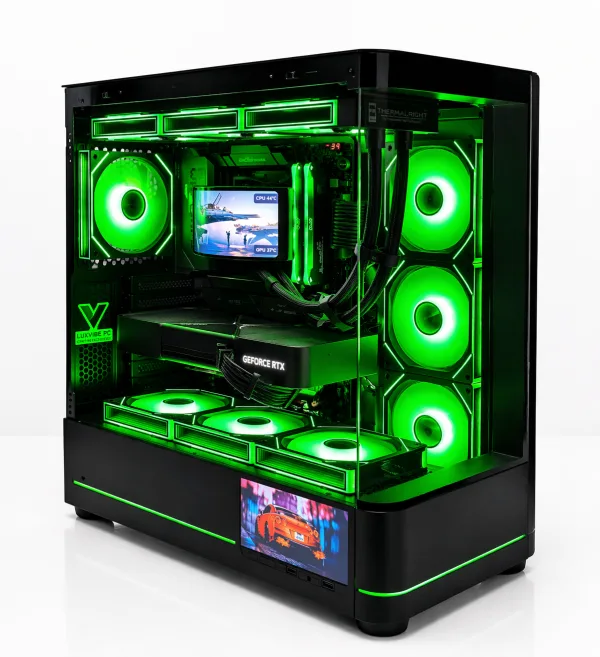
LUX Optic 5070ti Core
- GPURTX 5070 Ti
- CPURyzen 7 9800X3D
- RAM32GB DDR5
- SSD2TB NVMe
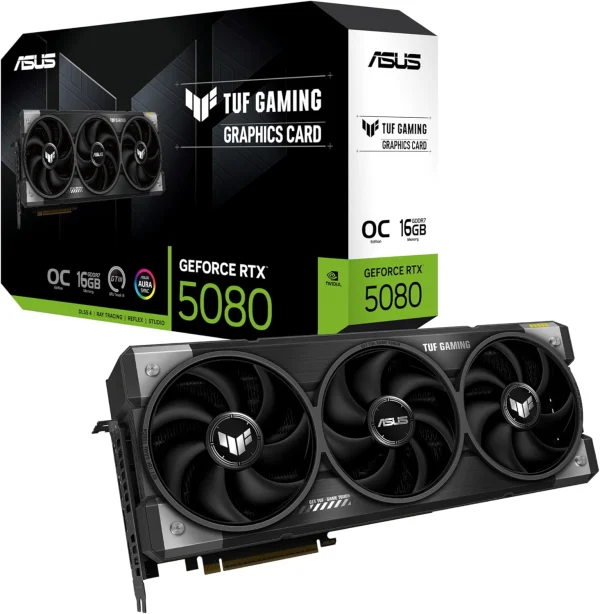
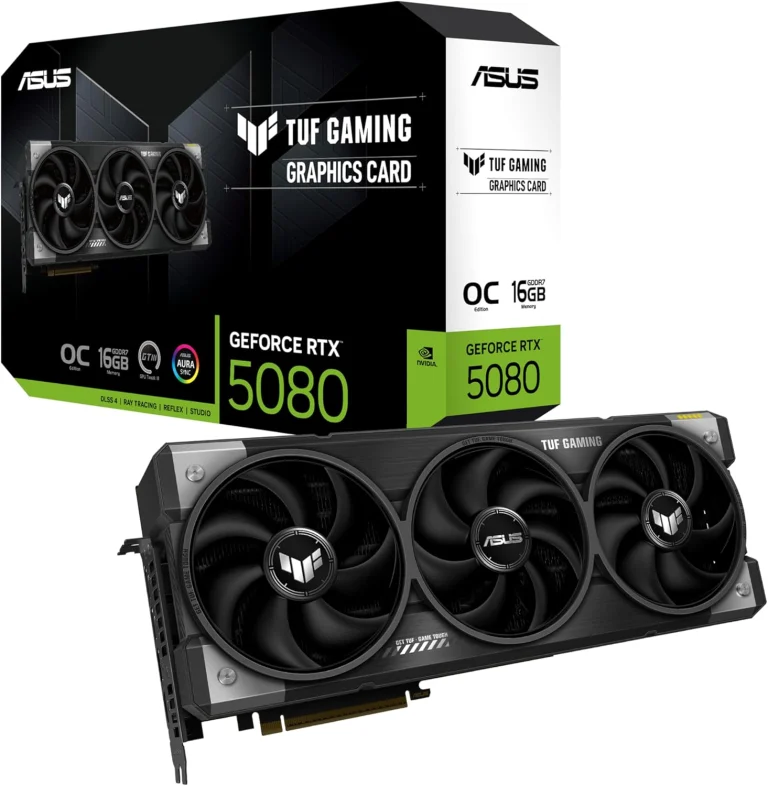
ASUS TUF Gaming RTX 5080
The ASUS TUF Gaming RTX 5080 puts NVIDIA GeForce RTX 5080 power into your desktop. It…
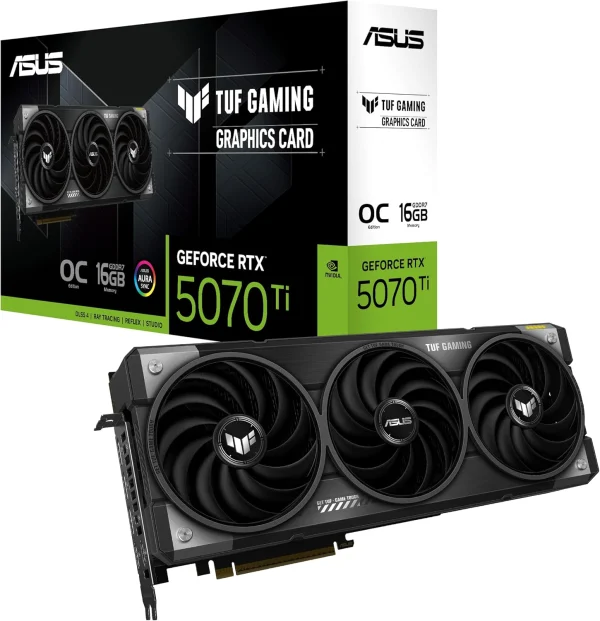
ASUS TUF Gaming GeForce RTX 5070 Ti 16GB GDDR7 OC Edition Gaming
The ASUS TUF Gaming RTX 5070 Ti 16GB GDDR7 OC puts NVIDIA GeForce RTX 5070 Ti…
5080 vs 5070 Ti FAQ
Is the 5080 worth $250 more than the 5070 Ti?
At 4K with high settings or path tracing, it can be, because that’s where its 20% more cores and higher clocks pay off. At 1440p or on a budget, the RTX 5070 Ti vs 5080 gap narrows and the cheaper card is the better value.
Do both cards have the same VRAM?
Yes. Both have 16 GB of GDDR7 on a 256-bit bus. The 5080’s memory bandwidth is slightly higher at 960 GB/s vs 896 GB/s, but capacity is identical.
Which card is better for streaming?
For streaming, the 5080 vs 5070 Ti comparison is a tie: both have two 9th-gen NVENC encoders. The 5080 adds a second decoder, which helps video editing more than live streaming.
Can a 750 W PSU run either card?
NVIDIA lists 750 W of required system power for the 5070 Ti and 850 W for the 5080. A quality 750 W unit suits the cheaper card; plan for 850 W or more with the faster one.
Should I wait for a 5080 Super?
NVIDIA hasn’t announced one, and 2026 reports say the Super refresh was delayed or put on hold because of the memory shortage. In the 5080 vs 5070 Ti choice, buy from what exists today.
Which Should You Choose?
Our verdict on the 5080 vs 5070 Ti question: for most gamers, the RTX 5070 Ti is the smarter buy. It shares the 5080’s 16 GB of memory, encoders and full DLSS feature set for 75% of its launch price, and it’s at home on high-refresh 1440p monitors. Choose the RTX 5080 when 4K at high settings is your main use and the price gap at the time you buy is one you’re comfortable with.
Compare current prices on our graphics card page, or ask our builders at sales@luxvibepcs.com or through our contact form. Every Luxvibe PC is hand-built to order, and we ship from Oshkosh, Wisconsin to the USA and worldwide.