The RX 9070 vs 9070 XT choice comes down to one trade: the XT gets 8 more compute units and much higher clocks, and in return it draws 84 W more power and launched $50 higher. Everything else, from the 16 GB of GDDR6 memory to FSR 4 support, is the same.
Below, our builders walk through the official 9070 vs 9070 XT specs from AMD, what the extra hardware means in practice, power and PSU needs, and value in 2026. We also explain why our Radeon builds use the XT, and who should still pick the non-XT card.
In This Guide
9070 vs 9070 XT at a Glance
Both cards launched on March 6, 2025, and both use AMD’s RDNA 4 architecture and the same memory setup. The 9070 vs 9070 XT difference is all in the GPU core and the power budget:
- RX 9070 XT: 64 compute units, boost clock up to 2,970 MHz, 304 W typical board power, 750 W recommended PSU, $599 launch price.
- RX 9070: 56 compute units, boost clock up to 2,520 MHz, 220 W typical board power, 650 W recommended PSU, $549 launch price.
AMD positioned the two cards against different rivals. The RX 9070 XT targets NVIDIA’s RTX 5070 Ti, while the RX 9070 targets the RTX 5070. That alone tells you AMD sees the XT as a full tier higher, not a small bump.
RX 9070 vs 9070 XT Spec Comparison
These figures come from AMD’s official product pages for the RX 9070 XT and the RX 9070. Partner cards often ship with factory overclocks, so exact clocks and power vary by model.
| Spec | RX 9070 | RX 9070 XT | XT difference |
|---|---|---|---|
| Compute units | 56 | 64 | About 14% more |
| Stream processors | 3,584 | 4,096 | 512 more |
| Ray accelerators | 56 | 64 | 8 more |
| AI accelerators | 112 | 128 | 16 more |
| Game clock | 2,070 MHz | 2,400 MHz | About 16% higher |
| Boost clock | Up to 2,520 MHz | Up to 2,970 MHz | About 18% higher |
| Memory | 16 GB GDDR6, 256-bit | 16 GB GDDR6, 256-bit | Same |
| Memory bandwidth | Up to 640 GB/s | Up to 640 GB/s | Same |
| Infinity Cache | 64 MB | 64 MB | Same |
| Typical board power | 220 W | 304 W | 84 W more |
| Recommended PSU | 650 W | 750 W | 100 W more |
| Launch price | $549 | $599 | $50 more |
What the Extra Compute Units and Clocks Mean
On paper, the XT wins the 9070 vs 9070 XT spec fight twice. It has about 14% more compute units, and each of those units runs at a boost clock about 18% higher. Multiply the two and the XT has roughly 35% more theoretical shader throughput. AMD’s own peak FP32 figures show the same gap: 48.7 TFLOPS for the XT against 36.1 TFLOPS for the non-XT.
Real games rarely scale perfectly with theoretical numbers, though. The two cards share the same 256-bit bus, the same 640 GB/s of bandwidth and the same 64 MB Infinity Cache. When a game leans on memory rather than raw shader power, the gap narrows. When it leans on shaders and ray tracing, the XT’s extra units and clocks show up more clearly.
That is why the RX 9070 vs 9070 XT gap varies from game to game. Do not trust anyone who quotes a single fixed percentage. Look up independent testing for the games you actually play, at the resolution you actually use.
One thing does not change: VRAM. Both cards have 16 GB, so texture quality settings, high-resolution texture packs and future games that need more memory affect them equally. Neither card will run out of memory before the other.
Power, Heat and PSU Needs
Power is where the RX 9070 vs 9070 XT story flips, and it is the non-XT’s biggest strength. AMD rates the RX 9070 at 220 W typical board power against 304 W for the XT, so the XT draws about 38% more. AMD recommends a 650 W power supply for the RX 9070 and 750 W for the RX 9070 XT. Both use two 8-pin power plugs on AMD’s reference spec.
- Heat: 84 W less heat to move means the non-XT is easier to keep quiet, especially in compact cases.
- PSU: If you already own a good 650 W unit, the RX 9070 fits AMD’s guidance without a PSU upgrade. The XT calls for 750 W.
- Partner cards: Factory-overclocked models can draw more than AMD’s reference numbers. Check the board maker’s spec page for the exact card.
In a full-size gaming PC with good airflow and a quality power supply, the XT’s extra 84 W is easy to handle. It only becomes a deciding factor in small-form-factor builds or when you want to reuse an older PSU.
Features: Identical Under the Hood
Feature for feature, the RX 9070 vs 9070 XT comparison is a tie. Both cards are part of the RX 9000 Series and share the same platform:
- FSR 4, AMD’s machine-learning upscaler, which launched exclusive to RX 9000 cards and now sits in AMD’s “FSR Redstone” suite.
- Hardware video encoding for AV1, HEVC and H.264, which works with OBS Studio through AMD’s AMF encoder.
- PCIe 5.0 x16, DisplayPort 2.1a and HDMI 2.1b outputs.
- AMD Software: Adrenalin Edition for drivers, tuning, overlays and per-game settings.
So you are not giving up any features by choosing the non-XT. You are only giving up speed, and gaining efficiency.
Price and Value in 2026
At launch MSRP, the 9070 vs 9070 XT price gap was $50: $549 for the non-XT and $599 for the XT. That is about 9% more money for about 14% more compute units and clocks that are about 18% higher. On paper, the XT was the better value per dollar at MSRP, and that is why so many builders steered buyers toward it.
The 2026 market complicates the math. A global memory shortage driven by AI data center demand has pushed graphics card street prices well above launch MSRP, and the gap between the two cards is no longer a fixed $50. Check current prices on our product pages before you decide.
Our rule of thumb: if the 9070 vs 9070 XT price gap on the day you buy is close to the launch gap, take the XT. If the non-XT is much less expensive, or you need to keep your existing 650 W PSU, the RX 9070 becomes the smarter buy.
Why Our Radeon Builds Use the XT
After weighing the 9070 vs 9070 XT tradeoffs, we build our Radeon systems around the RX 9070 XT, and the RX 9070 is not part of our current lineup. For a hand-built gaming PC with a full-size case and proper airflow, the XT’s extra power draw is a non-issue, and the extra compute units go straight to frame rate.
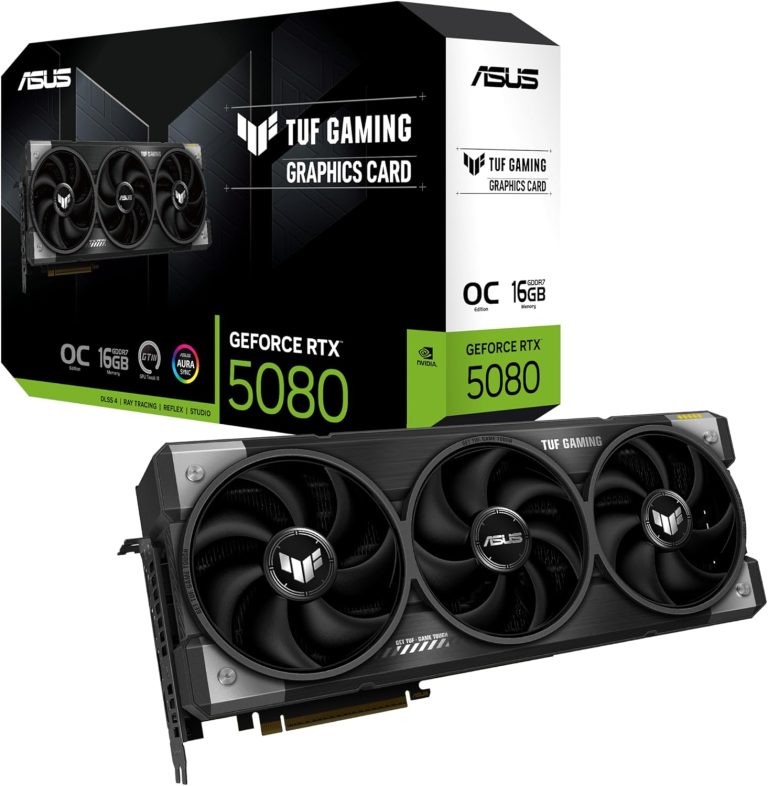
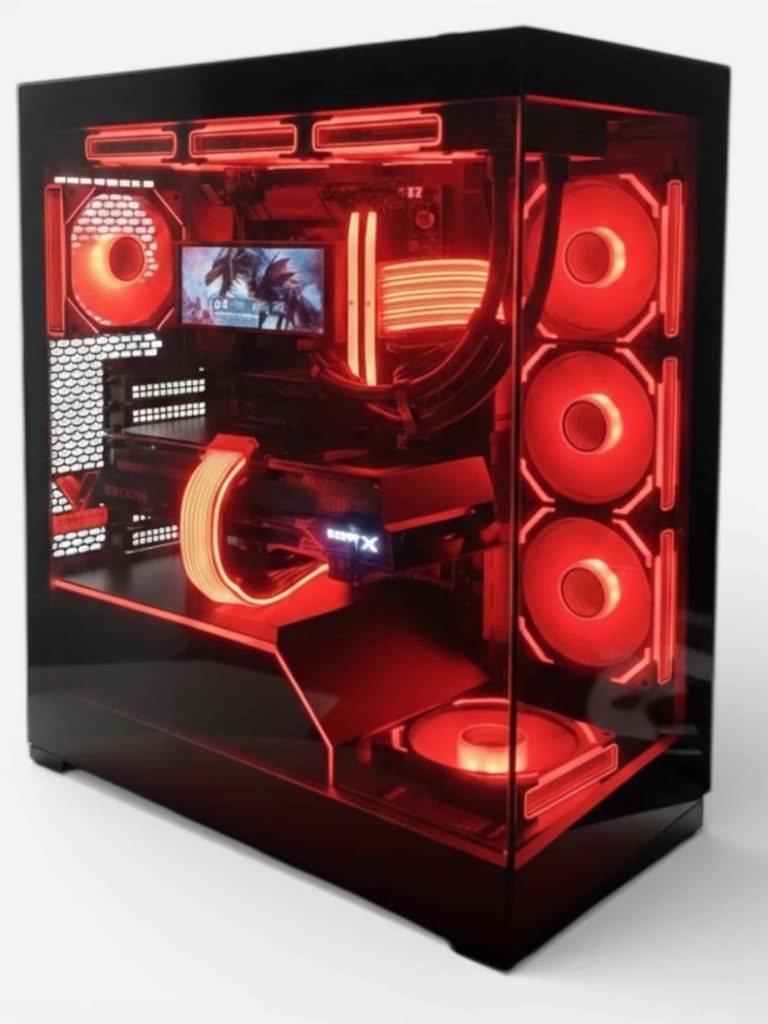
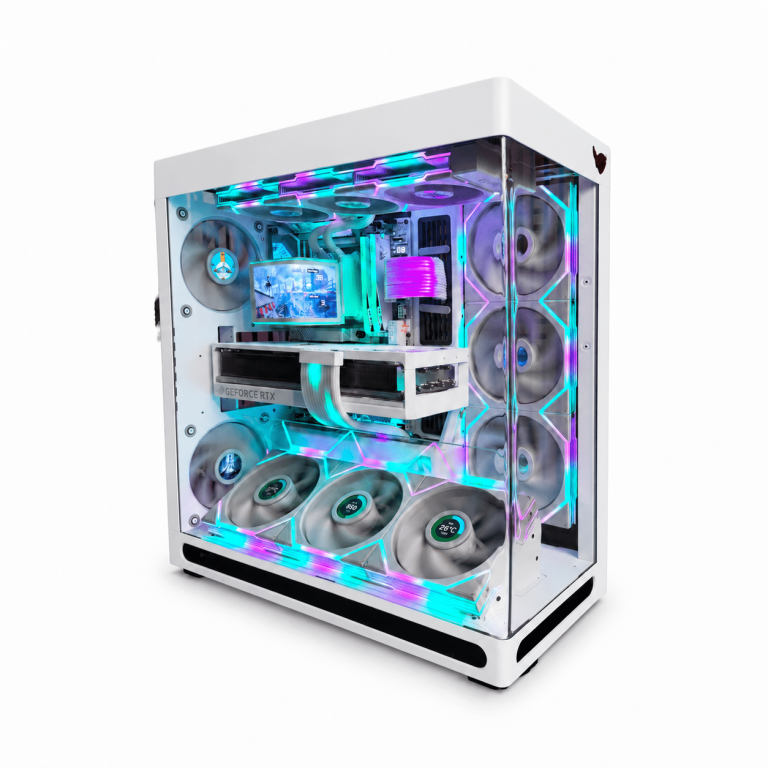
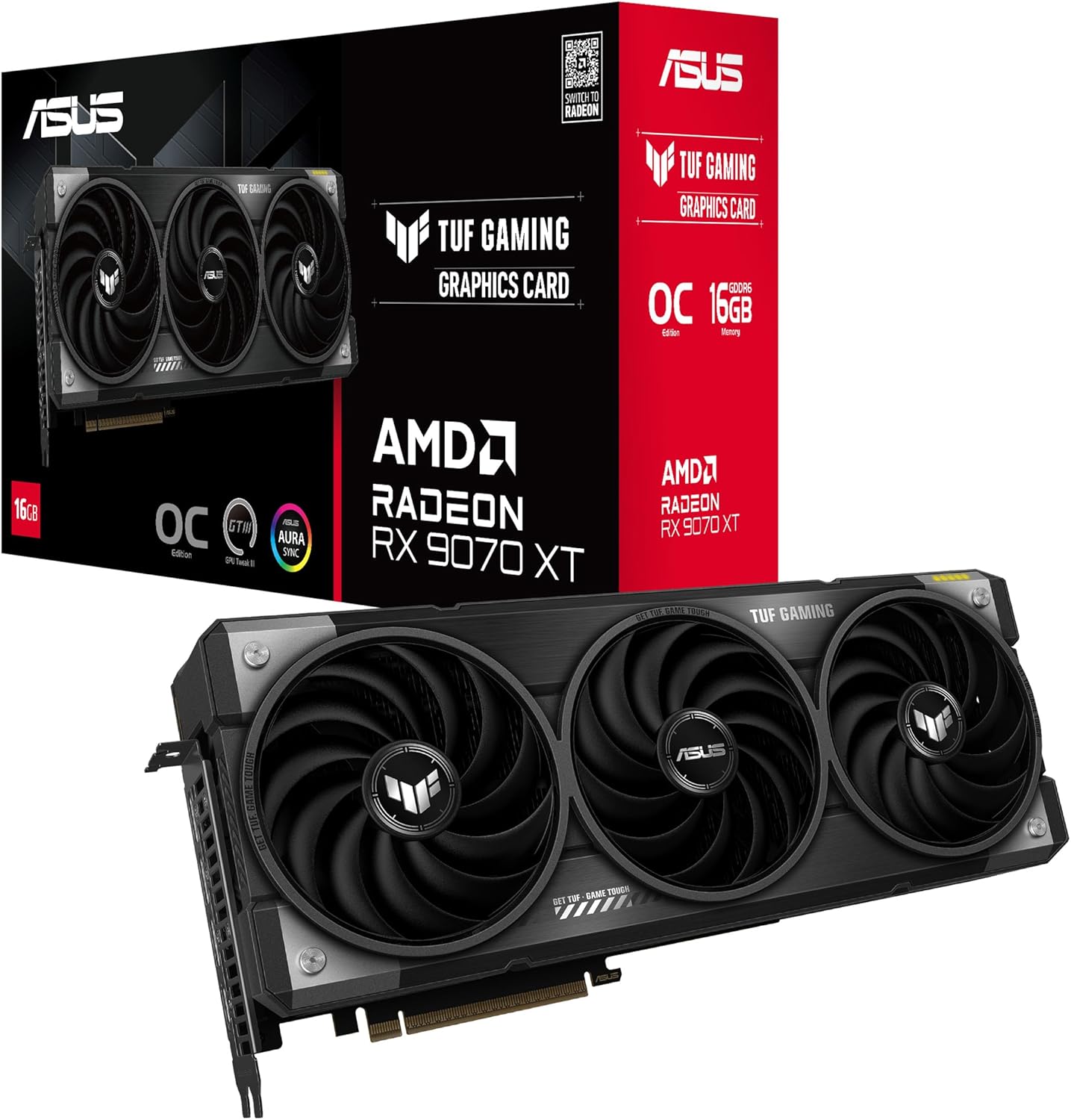
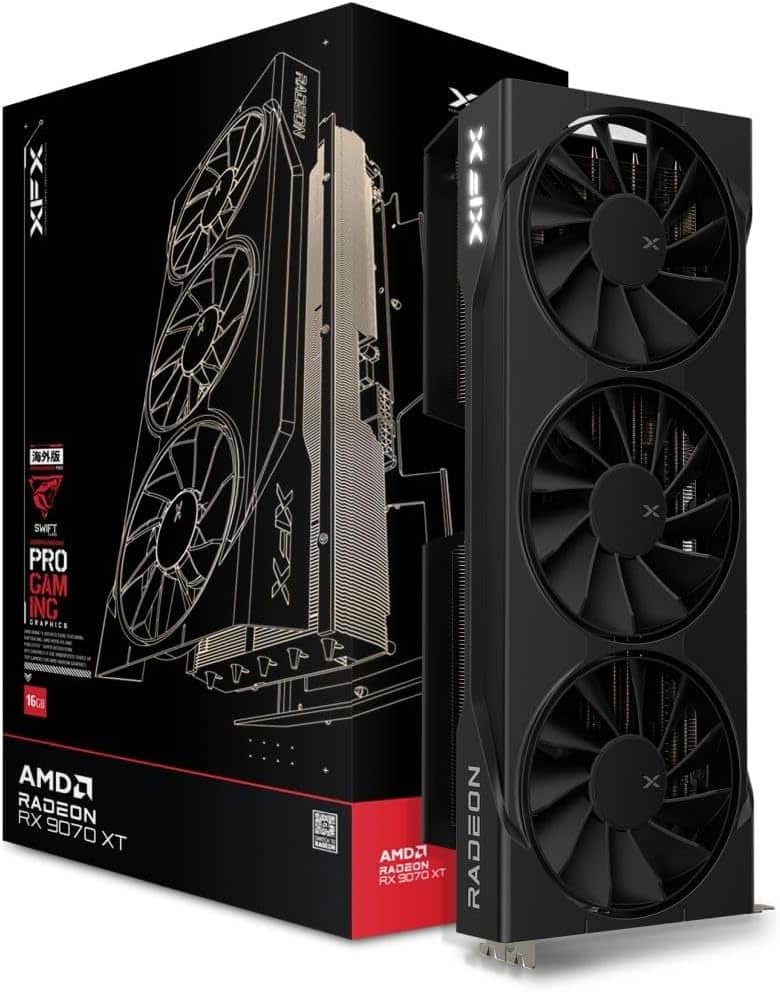
You can buy the card on its own from our graphics card collection, with models from ASUS, GIGABYTE, PowerColor, Sapphire and XFX. Or you can get it in a complete system such as the Lux Nv5 Black 9070XT or the LUX Optic ICE 9070XT. Planning your own build? Our RX 9070 XT build guide lists matching parts, and our full RX 9070 XT guide covers the card in depth.
Who Should Still Pick the Non-XT
The RX 9070 is a good card, and there are real reasons to choose it:
- Small-form-factor builds, where 84 W less heat makes cooling and noise easier.
- Upgrades on an existing 650 W PSU, where AMD’s recommendation fits without buying a new supply.
- Efficiency-first builds, for players who care about lower power use and heat in a warm room.
- A big price gap, if the non-XT is priced far below the XT when you shop.
If none of those apply, the RX 9070 vs 9070 XT decision tips toward the XT. Same memory, same features, and noticeably more GPU for a modest premium at MSRP.
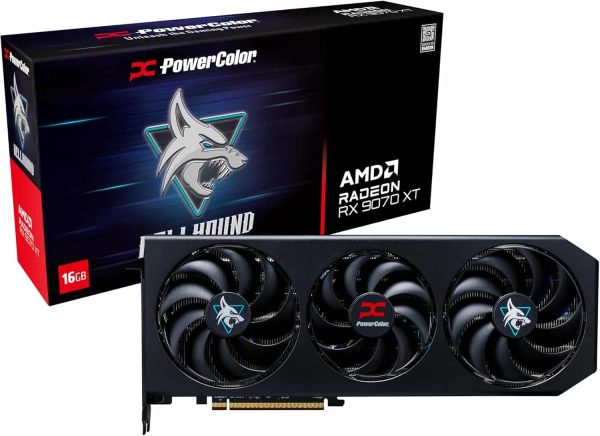
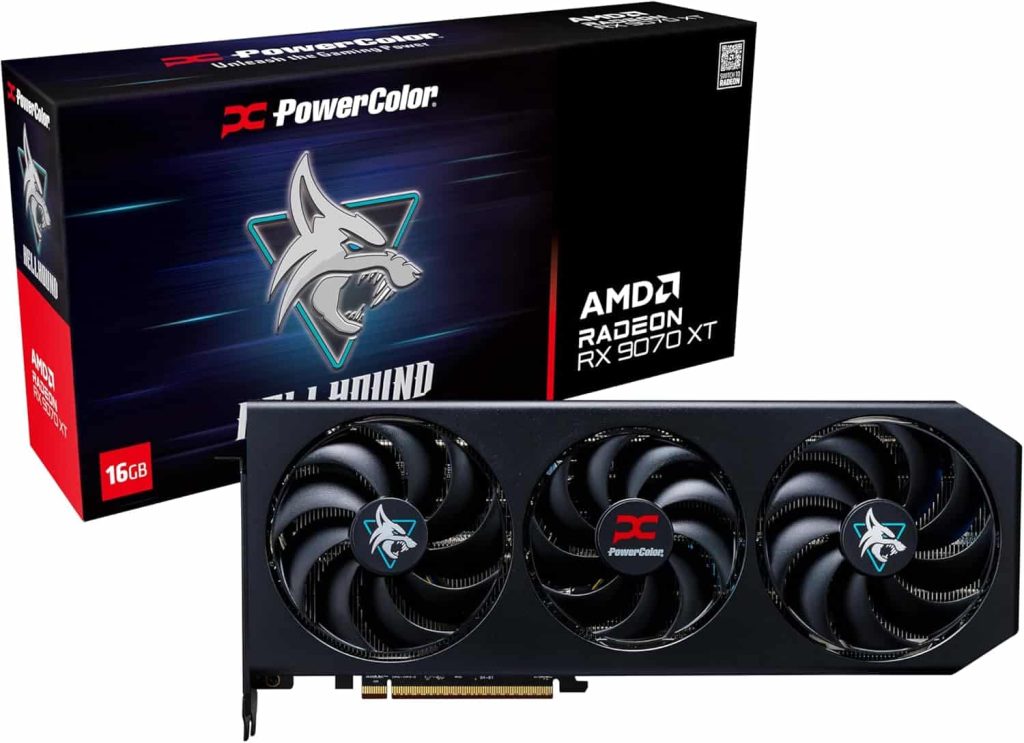
PowerColor RX 9070 XT Hellhound
Upgrade to the PowerColor RX 9070 XT Hellhound and get AMD Radeon RX 9070 XT performance…
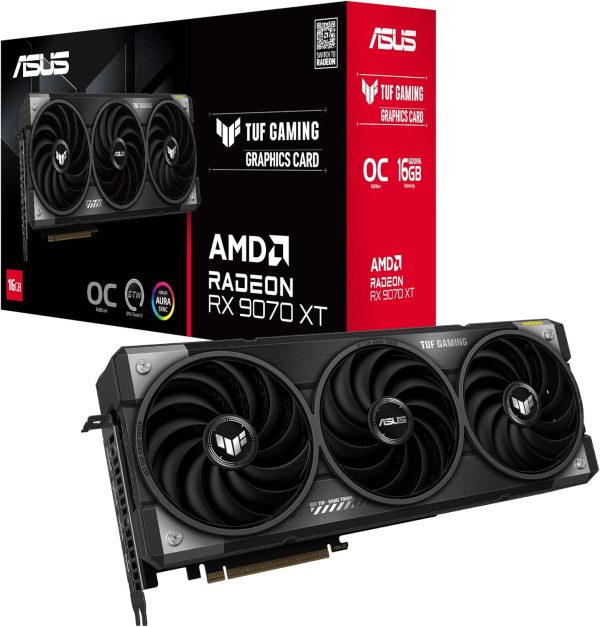
ASUS TUF Gaming RX 9070 XT
The ASUS TUF Gaming RX 9070 XT puts AMD Radeon RX 9070 XT power into your…
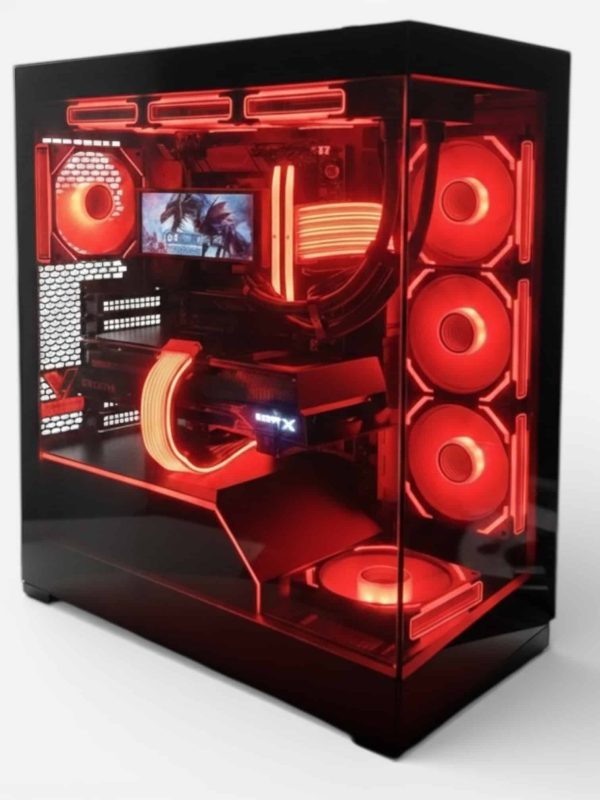
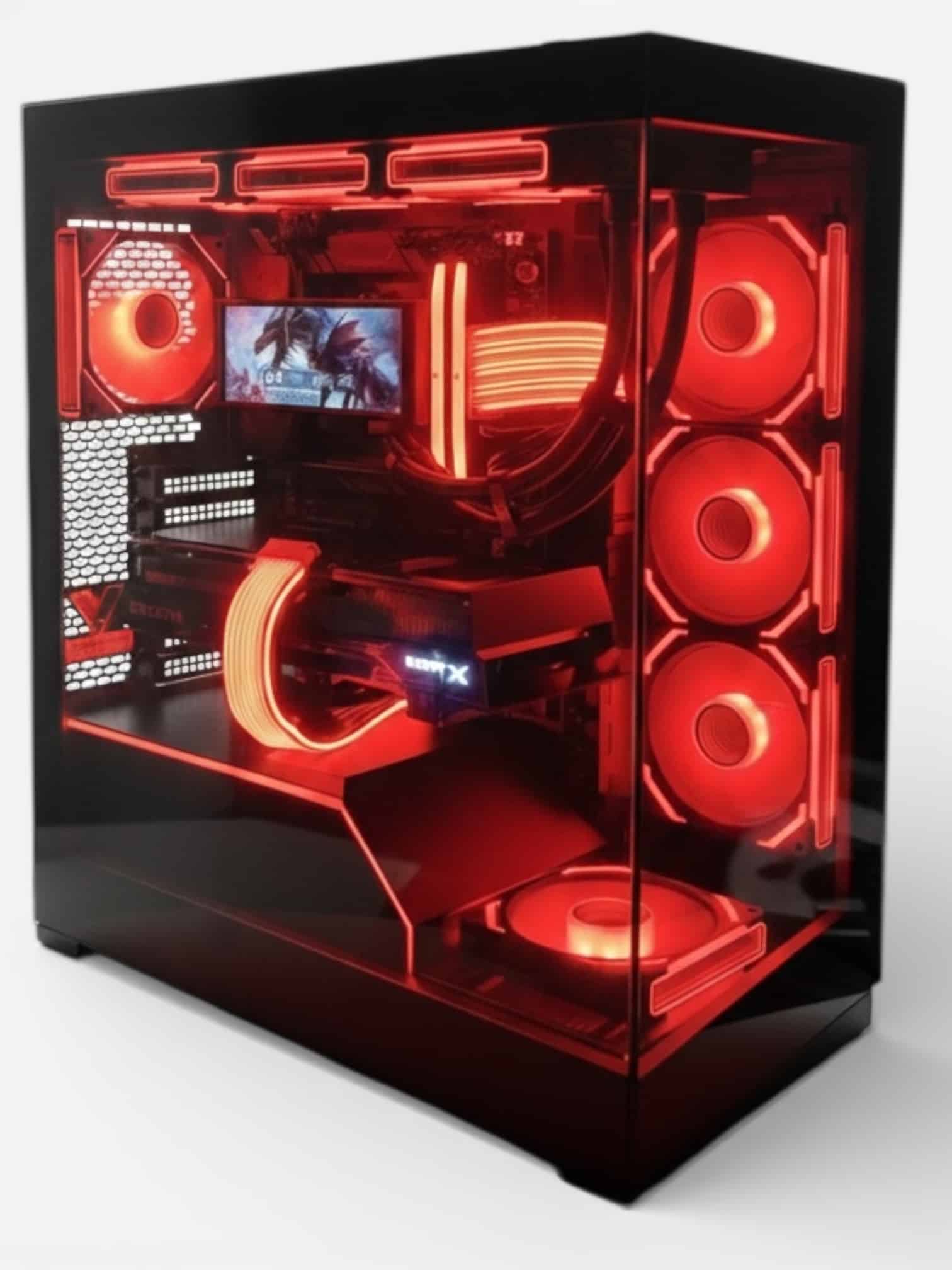
Lux Nv5 Black 9070XT
- GPURX 9070 XT
- CPURyzen 7 9800X3D
- RAM32GB DDR5
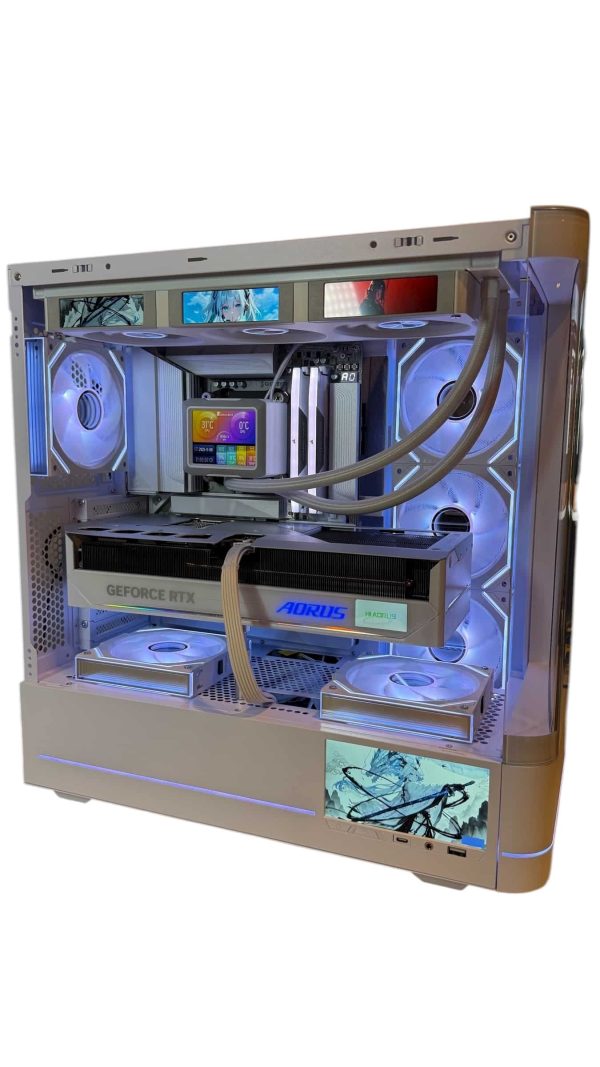
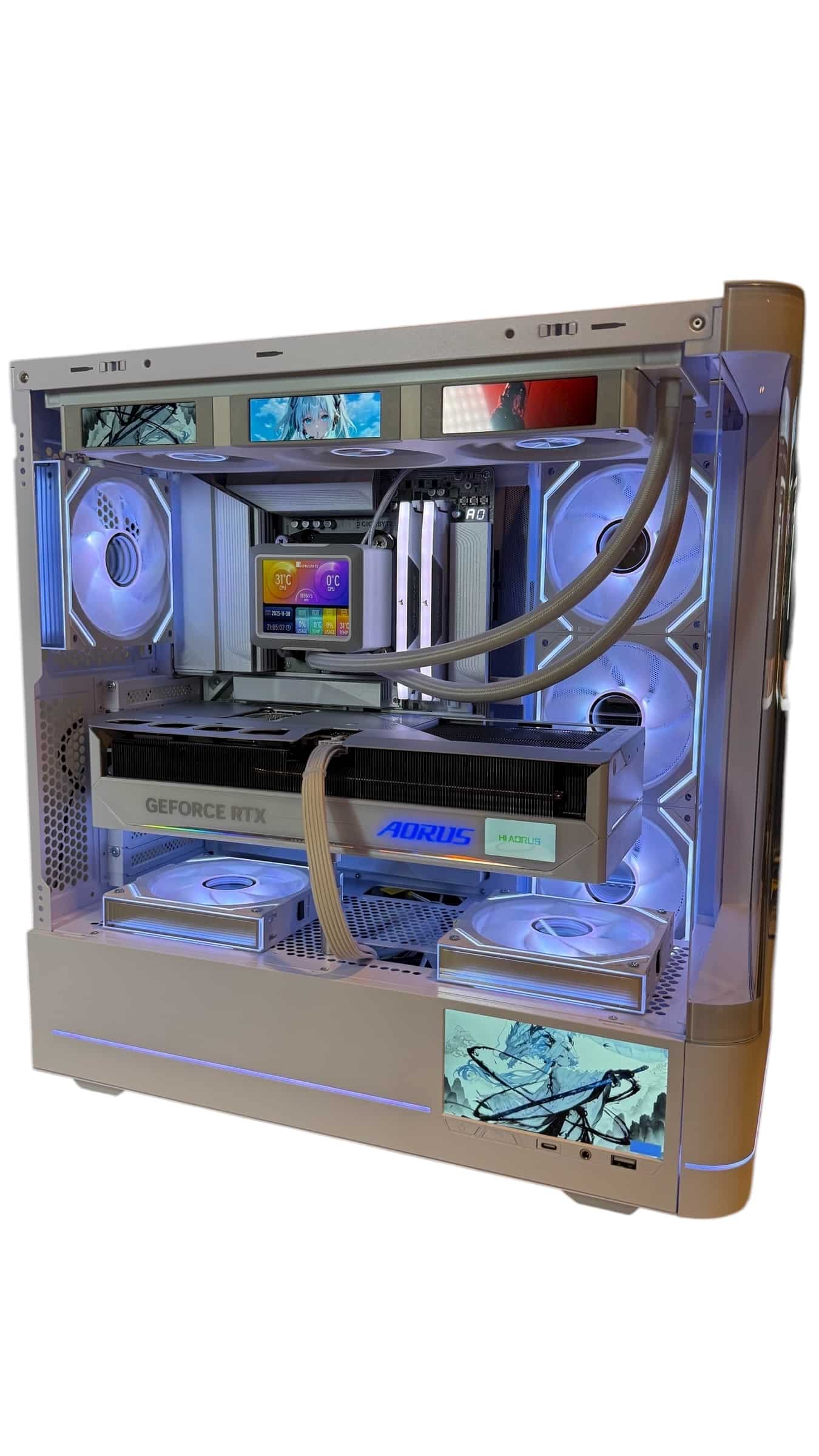
LUX Optic ICE 9070XT
- GPURX 9070 XT
- CPURyzen 7 9800X3D
- RAM32GB DDR5
- SSD2TB NVMe
9070 vs 9070 XT FAQ
Is the 9070 XT worth it over the 9070?
For most gaming PCs, yes. In the 9070 vs 9070 XT math, the XT launched at a price about 9% higher for about 14% more compute units and much higher clocks. The non-XT makes more sense for small builds, a 650 W PSU or when its price drops well below the XT.
Do the RX 9070 and 9070 XT have the same VRAM?
Yes. Both have 16 GB of GDDR6 on a 256-bit bus with up to 640 GB/s of bandwidth, plus 64 MB of Infinity Cache. In the RX 9070 vs 9070 XT comparison, memory is identical.
Can I run the 9070 XT on a 650 W power supply?
AMD recommends 750 W for the RX 9070 XT, and our builders follow that guidance. A 650 W unit matches AMD’s recommendation for the non-XT RX 9070 instead.
Do both cards support FSR 4?
Yes. FSR 4, AMD’s machine-learning upscaler, launched exclusive to the RX 9000 Series, so both the RX 9070 and RX 9070 XT support it in games that offer it.
How does the 9070 XT compare to NVIDIA’s cards?
AMD positioned the 9070 XT against the RTX 5070 Ti and the 9070 against the RTX 5070. Our 9070 XT vs 5070 Ti comparison covers the XT’s main rival in detail.
The Bottom Line
The 9070 vs 9070 XT question has a clear default answer: get the XT. It shares the non-XT’s 16 GB of memory and every feature, but adds about 14% more compute units and much higher clocks for a small premium at MSRP. Pick the RX 9070 only if power, heat, an existing 650 W PSU or a big price gap matters more to you than speed.
Browse RX 9070 XT cards in our graphics card collection, or ask our builders which setup fits your games. Email sales@luxvibepcs.com or use our contact form. Every Luxvibe PC is hand-built to order and ships across the USA from Oshkosh, Wisconsin.